

Table of Contents
Wearable fitness technology is changing the way people track health and activity, making fitness monitoring accessible and actionable for everyone—from beginners to pro athletes. Whether you want to improve your step count, monitor sleep, or optimize workouts, understanding the real benefits and realistic pitfalls of wearables is essential for making smart choices.
Key Takeaways
- The global market for wearable fitness technology surpassed $50 billion in 2024, with North America holding over 40% of market share.
- Major advancements in sensor technology and integration with smartphones are driving rapid adoption—but real-world accuracy and user experience still vary widely.
- Success with wearables depends on choosing the right device, understanding device limitations, and integrating data with broader wellness habits.
- What Is Wearable Fitness Technology and Why It Matters
- How to Choose and Use Fitness Wearables: Step-by-Step
- Advanced Analysis & Common Pitfalls With Fitness Wearables
- Conclusion
- FAQ
What Is Wearable Fitness Technology and Why It Matters
Wearable fitness technology refers to electronic devices worn on the body—like smartwatches, fitness bands, smart rings, and smart clothing—that track physical activity, sleep, heart rate, and sometimes even advanced metrics like blood oxygen or glucose levels. These technologies have exploded in popularity because they promise to make health data accessible, offer real-time feedback, and seamlessly integrate with daily life.
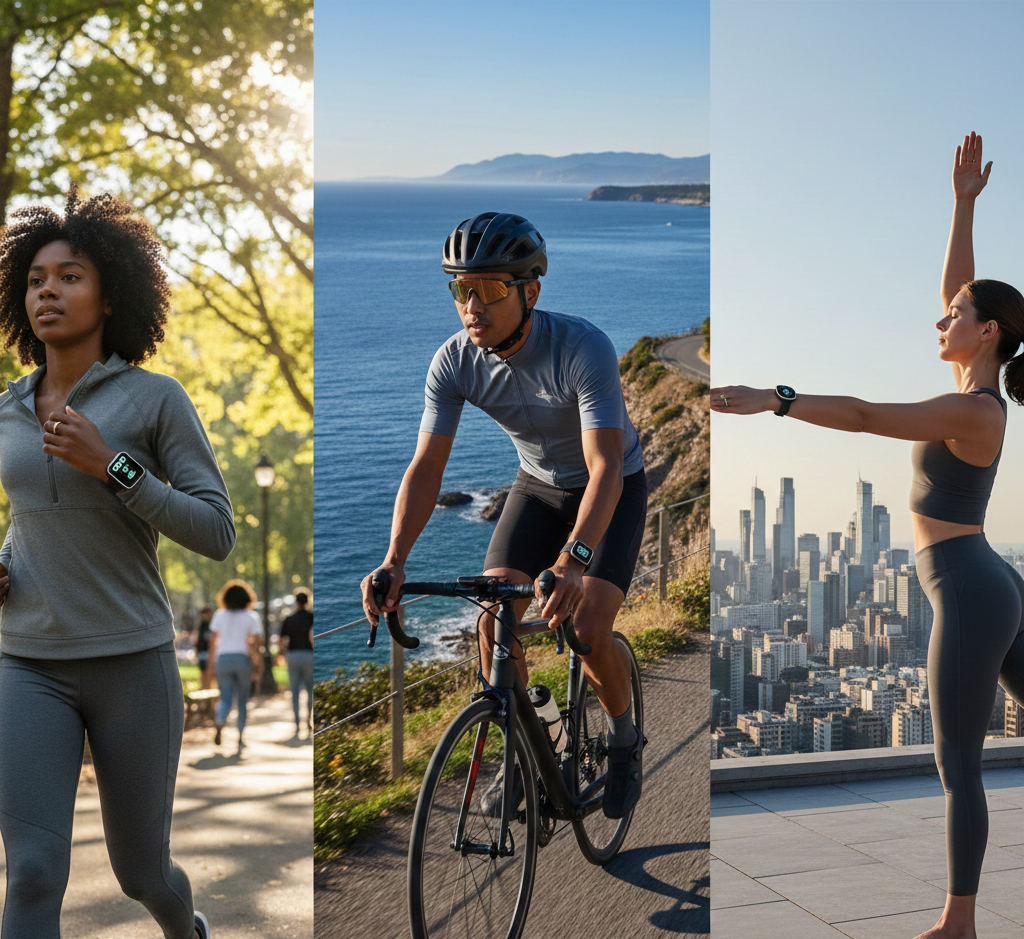
This surge in adoption is driven by three key trends: growing health awareness, sensor innovations (with sensors themselves making up over 22% of device revenue), and the proliferation of smart textiles (especially in legwear and shirts, which are seeing high growth rates) (source).
But rapid sales and new features do not always translate to meaningful results. To get real value, users need to move past hype, understand device limitations, and select products that actually fit their goals and lifestyles.
How to Choose and Use Fitness Wearables: Step-by-Step
The market is crowded with hundreds of devices—Apple, Garmin, Fitbit, Samsung, Huawei, Whoop, Oura Ring, and many more. Here’s how to break down your options and set yourself up for success:
- Assess Your Real-World Needs and Habits
- Decide if you need all-day wear, specialized metrics (like ECG or temperature), or just step/sleep tracking.
- Consider your comfort with charging—some smart rings and bands last 5–7 days, while advanced watches may need daily charging.
- Check how much you want to engage with your data. Will you use the device’s app, or need deep integration with platforms like Apple Health or Google Fit?
- Compare Devices: Core Features and Ecosystem
- Smartwatches (Apple, Samsung, Garmin, Fitbit, Xiaomi) offer full notification support, GPS tracking, third-party apps, and advanced sensors (heart rate, movement, temperature, ECG, SpO2).
- Fitness bands (Amazfit, Xiaomi, older Fitbit models) give long battery life and basic fitness metrics at lower prices, but often have limited ecosystem support.
- Rings (Oura) and bands (Whoop) are focused on recovery, sleep, readiness, and activity load—think quality over quantity of data.
- Scrutinize Battery Life and Comfort
- Look for realistic battery claims—constant GPS or advanced sensors often cut battery times in half.
- If you want to track sleep, avoid bulky models that could interfere with comfort.
- Try devices in person if possible; comfort is key for 24/7 wear.
- Review Compatibility and Data Portability
- Check device app availability for your phone (iOS or Android).
- For continuous glucose monitoring, verify integration with your preferred health apps—limitations are common and some integrations (like Apple Health) may be partial or delayed (source).
- Want to combine data with other fitness solutions (like AI personal training)? Look for proven API or third-party export options.
- Budget: Understand All Costs
- Factor in not just the up-front device price, but also any recurring subscriptions (e.g., Whoop or Oura Ring require monthly fees for premium analytics).
- Replacement bands, chargers, or limited battery lifespans can impact total cost-of-ownership.
- If on a budget, research proven fitness routines that require zero tech—like Japanese walking or 30-20-10 interval training.
- Set Realistic Expectations from Day 1
- Data accuracy varies—most wearables excel at step counting and heart rate, but advanced metrics can be inconsistent trend indicators at best (source).
- Link your device with evidence-based routines for maximal benefit (for instance, advanced plank workouts).
- Be prepared to ignore or tune out “noise” from excessive notifications and overtracking that hinder actual fitness gains.
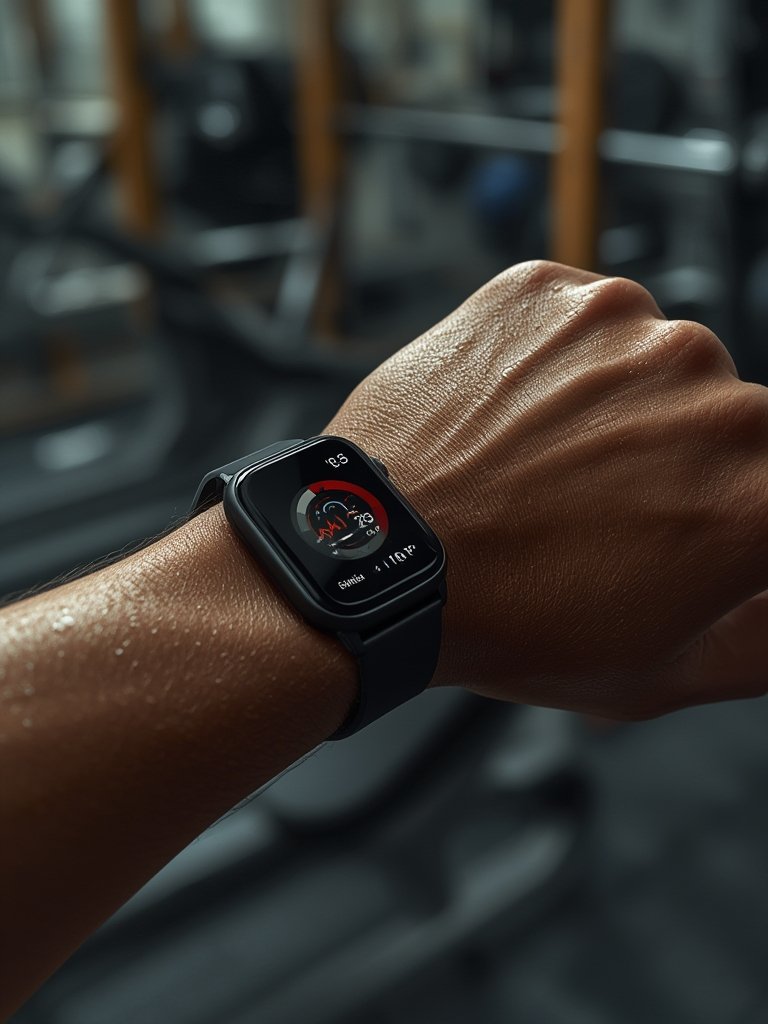
Finally, don’t overlook new approaches that combine wearable intelligence with mindful movement—like walking yoga and hybrid events such as Hyrox training—which address goals often missed by pure metrics.
Advanced Analysis & Common Pitfalls With Fitness Wearables
The reality of wearable fitness technology is more nuanced than marketing suggests. Here’s a look at common challenges and how to realistically overcome them.
User Pain Points and Drawbacks
- Accuracy Gaps: Even top-tier smartwatches and rings can misread heart rate during high-intensity activity or deliver inconsistent sleep staging.
- Subscription Creep: Premium analytics and features (Whoop, Oura) often require paid monthly subscriptions—costs add up over time.
- Battery and Charging Hassles: frequent charging becomes tiresome, especially for advanced smartwatches.
- Data Overwhelm: Too much data and excessive notifications can reduce device usefulness, causing more stress than motivation.
- Integration Limits: Many devices support only partial data sharing (especially for glucose monitors and advanced metrics) with health or workout apps.
- Comfort Issues: Bulky wearables or cheap materials may cause irritation or disrupt sleep, impacting long-term compliance.
Device Comparison Table
| Device Type | Typical Features | Pros | Cons |
|---|---|---|---|
| Smartwatch (Apple, Garmin, Samsung) | Step/sleep tracking, GPS, heart rate, app support | All-in-one features, strong app ecosystem, accurate for steps/HR | Pricey, needs frequent charging, bulkier on wrist |
| Fitness Band (Fitbit, Xiaomi, Amazfit) | Step/sleep tracking, basic HR, long battery | Affordable, lightweight, easy to use | Limited apps, fewer advanced metrics |
| Ring/Band (Oura, Whoop) | Sleep, readiness, HRV, activity load | Lightweight, advanced recovery data | Subscription costs, less useful for day-to-day notifications |
| Smart Clothing | Movement analysis, heart rate, temp, glucose (emerging) | Unique insights, discreet | High price, new market, comfort/durability questions |
Why Device Choice Isn’t Everything
Data accuracy and actionable insights are continually improving, but most wearables still lack clinical validation (source). Studies and peer-reviewed assessments are sparse, so treat advanced metrics as helpful trends—not strict diagnostics.
Lastly, wearables are tools—a step counter or HR monitor won’t directly replace structured fitness routines like reformer Pilates or online Pilates classes in delivering long-term results.

Wearable fitness technology has become a mainstream tool for tracking movement, recovery, and wellness, with explosive adoption and rapid advancements in sensor tech. To maximize value, choose the right device for your specific needs, understand its real limitations, and use the data to support—not replace—balanced healthy habits. Explore the latest device features, but don’t overlook practical fitness methods like 30-20-10 intervals that deliver results with or without tech. Ready to elevate your routine? Research, test, and integrate wearable fitness technology today for smarter training and long-term health.
FAQ
How accurate are most wearable fitness trackers for health metrics?
Most leading wearables deliver reliable step counts and heart rate readings during steady activity. However, accuracy for advanced metrics like sleep stages, VO2 max, and calorie burn can be spotty, especially during intense workouts. Treat the data as helpful trends, not strict medical diagnostics.
Are wearable devices worth the subscription costs?
Some premium devices (Whoop, Oura Ring) offer advanced insights only with monthly subscriptions. These fees add up, so make sure you’ll use features like detailed sleep, recovery, and strain reports regularly before committing.
Which wearables work best with other fitness apps and platforms?
Smartwatches from Apple, Garmin, Fitbit, and Samsung usually offer the best cross-platform support—syncing with Apple Health, Google Fit, and many fitness apps. For more specialized devices (rings, CGMs), integration is often limited or may require manual exports.
What is the best wearable for home fitness?
A basic fitness band or smartwatch fits most home routines, allowing you to track steps, heart rate, calories, and sleep—all important for complementing at-home programs like Pilates or bodyweight HIIT. Advanced models aren’t always necessary unless you need medical-grade metrics.
Can wearable fitness technology replace a personal trainer?
Wearables provide valuable tracking and daily feedback but can’t replace tailored guidance and motivation from a qualified personal trainer. Devices work best as part of a broader fitness plan that may include professional support or digital coaching via AI personal training.