

Table of Contents
Recovery supplements have become a go-to strategy for athletes and active individuals seeking faster healing, less soreness, and better overall performance. But real benefits—and limitations—are often buried beneath marketing hype. Here is what the latest research says, what works, what doesn’t, and how to avoid common mistakes.
Key Takeaways
- Clinical studies show protein and BCAA supplements can improve muscle repair and performance, but benefits may rely on total calorie intake, not just protein or amino acids.
- BCAA-enhanced electrolyte drinks outperform standard carbohydrate options in potassium maintenance and muscle soreness reduction for endurance athletes.
- Optimal dosages and timing remain uncertain—individual results vary, and not all users will see dramatic recovery improvements.
The Core Concept: What Are Recovery Supplements and Why Use Them?
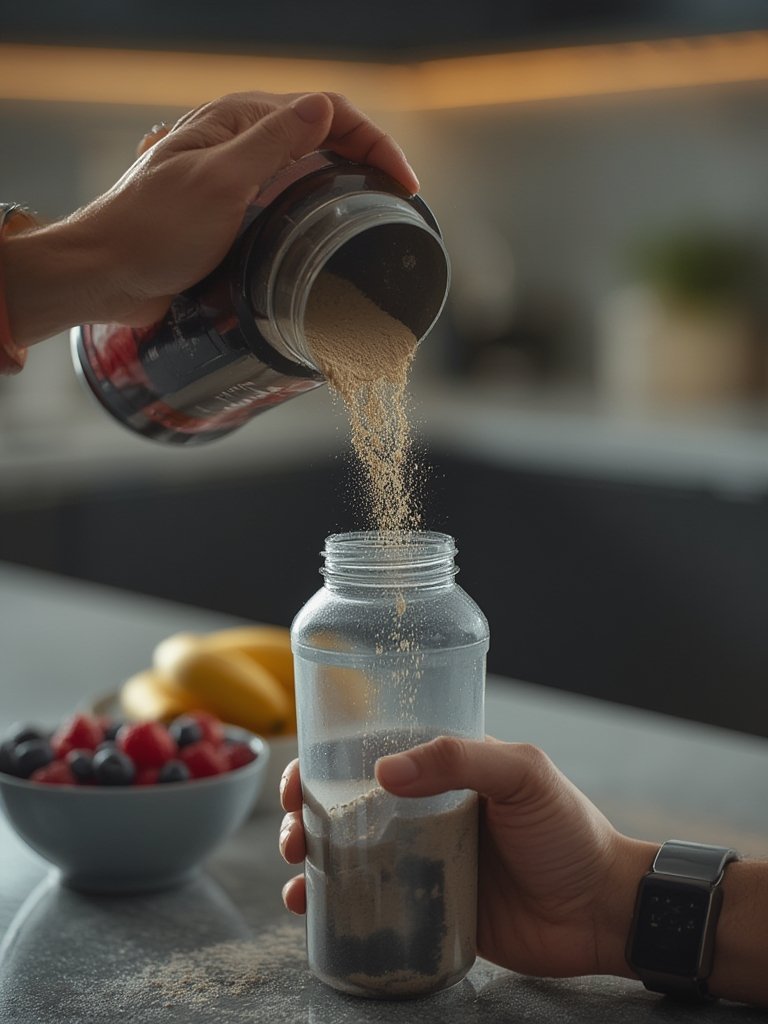
Recovery supplements are products designed to speed up muscular repair and reduce post-exercise fatigue. These include protein powders, BCAA drinks, and electrolyte blends. Their main role is to give the body extra resources—like amino acids and minerals—that support muscle tissue healing after exercise stress. But effectiveness varies, and not all supplements deliver equal results.

Recent studies highlight both potential and limits. For example, pure protein supplements can improve endurance and muscle strength compared to placebo. But these results disappear when total energy intake is matched, suggesting that the extra calories—rather than just protein—may be responsible. BCAA-enhanced electrolyte drinks, according to a 2024 study from Beijing Sport University, seem to aid recovery by reducing muscle soreness and keeping potassium levels in athletes after tough endurance trials.
Supplements can be helpful, but they’re not a substitute for a strong foundational recovery strategy that includes sleep, overall nutrition, and active recovery. They work best as a supporting tool alongside proven habits like stretching, sleep hygiene, and smart training programming. If you like mindful, restorative movement, check out walking yoga, a trend blending gentle walking with yoga principles for sustainable recovery.
Step-by-Step Guide: How to Use Recovery Supplements Effectively
Using recovery supplements isn’t just about grabbing the latest powder or drink from the shelf. Here’s a practical approach:
- Assess Your Real Needs: Are you already getting enough protein and electrolytes from food and fluids? Track your diet for a week. Many people overestimate their requirements, especially if not training at high intensities.
- Choose Supplements Backed by Research: For most athletes, 1 g/kg of additional protein per day from supplements shows benefit for muscle recovery and performance. BCAA drinks offer advantages in endurance sports for muscle soreness but aren’t always necessary for casual gym-goers.
- Tailor Intake to Your Training Phase: On heavy cardio days or long sessions, electrolyte and BCAA-enhanced drinks may reduce cramping and maintain plasma volume. On rest days or with lower intensity, water and food usually suffice.
- Time Consumption for Recovery: Evidence on exact post-exercise timing is mixed, but aim for protein or BCAA supplementation within one to two hours after intense sessions.
- Monitor Your Response: Watch for changes in delayed onset muscle soreness (DOMS), energy, and overall wellbeing across several weeks. Adjust dosages if you experience digestive discomfort, excess calories, or “protein bloat.”
- Be Skeptical of Bold Claims and Expensive Blends: Lack of independent lab testing in 2024 means ingredient purity and label accuracy aren’t guaranteed. Stick to brands you trust and verify if possible.
Integrating data-driven strategies like fitness wearables can help, too. Monitoring your recovery metrics with a device such as the Oura ring or Whoop band, as described in our guide to wearable fitness technology, lets you see how supplements impact your actual sleep, HRV, and stress levels over time.
Also, consider non-supplement tools for recovery such as Japanese interval walking, which offers active recovery without adding extra calories or chemicals to your regime.
Advanced Analysis & Common Pitfalls
Here’s what current clinical research—and lack of user reports—reveals about pitfalls, tradeoffs, and realistic expectations:
| Supplement Type | Proven Benefit | Limitation/Risk | Clinical Evidence |
|---|---|---|---|
| Protein Powder | May improve muscle repair and endurance if total calories are low | Benefit vanishes if diet already has enough calories; not useful for everyone | Source |
| BCAA Supplements | Reduce muscle soreness and possibly enhance muscle repair post-endurance events | Mixed evidence for non-endurance athletes; optimal dosage unclear | Source |
| electrolyte blends | Maintain plasma volume and potassium after long events | Most users don’t drink enough to fully prevent fluid loss | Source |
Common pitfalls to avoid include:
- Overreliance on supplements: No product can replace sleep or consistent training.
- Ignoring calorie count: Many shakes are high in sugar and calories—this can stall fat loss or trigger digestive upset.
- No evidence for many ‘advanced’ formulas: Most fancy blends are not tested in independent labs as of 2024. Banned substance risk is still a concern for competitive athletes.
- Individual variability: Some find clear benefit, others see little change. Keeping a basic recovery diary over a month is the most honest way to assess results.
If you seek sustainable, injury-resistant fitness, explore methods like reformer Pilates or hybrid training routines outlined in our Hyrox training plan for low-impact alternatives that build resilience without excess supplementation.

Conclusion
Protein, BCAA, and electrolyte recovery supplements can support workout recovery—but only when used with realistic expectations and a focus on total lifestyle. Not everyone will see dramatic changes, and most benefits are modest unless aligned with nutrition, hydration, and sleep. Experiment with dosage, timing, and supplement type to see if recovery supplements are worthwhile for your unique routine. Start small, track your actual results, and prioritize proven fundamentals first. Ready to optimize your post-workout strategy? Review your current habits, test a basic supplement if needed, and continually refine for long-term gains.
FAQ
Do recovery supplements really speed up muscle repair?
The best evidence suggests that protein and BCAA supplements can support muscle repair, but only if your overall diet lacks enough protein or amino acids. For many moderately active people, food alone is sufficient.
When is the best time to take protein or BCAA supplements after a workout?
Most studies recommend a recovery window within 1-2 hours post-exercise, but exact timing is less critical than formerly believed—consistency and overall intake count more.
Are there risks or downsides to regular supplement use?
Some recovery supplements are high in added sugars or calories, which can disrupt fat loss goals. Also, the lack of lab testing opens some risk of label inaccuracy or banned substances, especially for competitive athletes.
How do I pick the right recovery supplement?
Stick to reputable brands. Look for products with minimal ingredients, no proprietary blends, and transparent nutrition labels. If possible, choose supplements specifically tested for athlete safety and purity, even though few independent tests are available as of 2024.
Can I get the same recovery results from foods alone?
Whole foods like eggs, dairy, lean meats, and legumes provide complete protein and vitamins for muscle repair. For most people training a few times a week, real food plus good sleep works as well as supplements.