

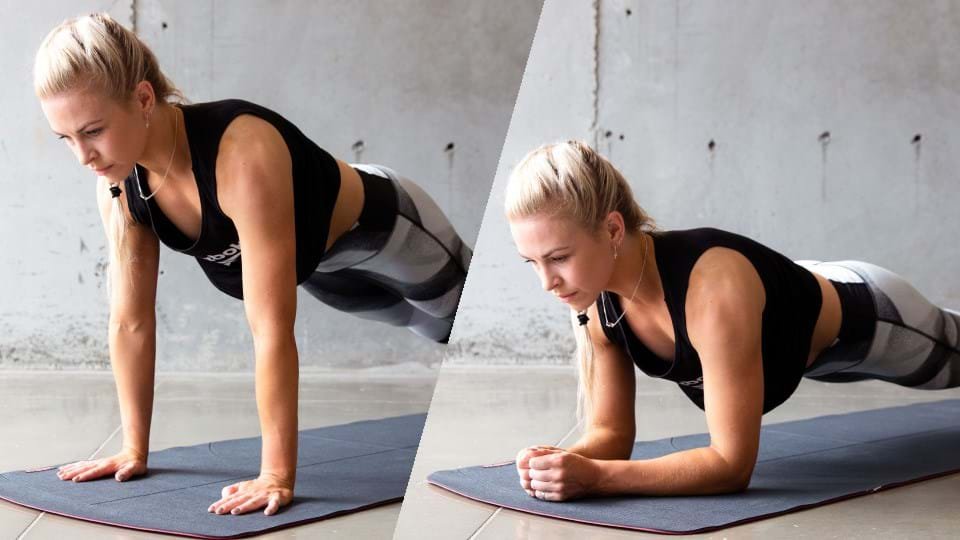
Table of Contents
Plank hover is making waves in the world of core training for delivering more muscle activation than a traditional plank. If you’ve outgrown basic floor planks or want to know why trainers now include hovers in advanced programs, this guide delivers the evidence, practical steps, insider tips, and honest pitfalls you need—no hype, just actionable progress.
Key Takeaways
- Plank hover on unstable surfaces lights up your superficial core muscles, especially rectus abdominis and obliques, far more than stable planks.
- This move is not for beginners—start with traditional planks to lower injury risk and build a base, especially if you have lower back concerns.
- Most guides ignore injury prevention, tracking progress, or mixing hovers with variations—this guide covers all three.
The Core Concept
What makes the plank hover different? Unlike classic planks on the floor, plank hover positions your forearms on an unstable surface—like a suspension trainer (TRX), Swiss ball, or even a rolling foam. This simple change forces your entire core to fire harder for balance. Why care? Instability supercharges muscle activation, especially in the rectus abdominis and external obliques, compared to traditional planks. According to 2022 EMG analysis, prone planks outperform even complex moves like reverse plank, showing up to 823% higher muscle activity in key core muscles.

Plank hover is a logical, challenging step up for anyone who’s mastered conventional floor planks. It also brings benefits for advanced athletes: higher muscle recruitment, anti-rotation strength, and real-world core stability. But it’s not for everyone; those with lower back or spinal issues need to proceed carefully. A strong plank hover can be combined with dynamic moves, such as shoulder taps, to keep your training both effective and fresh.
If your fitness routine currently includes high intensity interval walking or walking yoga, think of the plank hover as a perfect next-level addition to maximize your core gains in less time.
Step-by-Step Guide
Ready to try plank hover? Follow these precise, evidence-backed steps for safety and results.
- Choose your surface: Secure a suspension trainer, Swiss ball, or similar unstable device. If new to this, begin with a low height, minimal instability, or a rolling foam pad. Place your forearms shoulder-width apart with elbows under shoulders.
- Set up your plank hover: Step your feet back into a straight, rigid line from shoulders to ankles. Pull your navel in, squeeze glutes, and keep your hips from sagging.
- Hold and breathe: Keep everything tight for 20-30 seconds. Never let your lower back dip. Concentrate on even pressure across arms and balls of your feet.
- Progress slowly: Only add time, reps, or instability (like elevating feet or adding shoulder taps) once you can hold perfect form for 30 seconds for at least three consecutive sets.
- Rest and repeat: Aim for 2-4 sets, 2-3 times per week, with minimum 60 seconds rest between attempts.
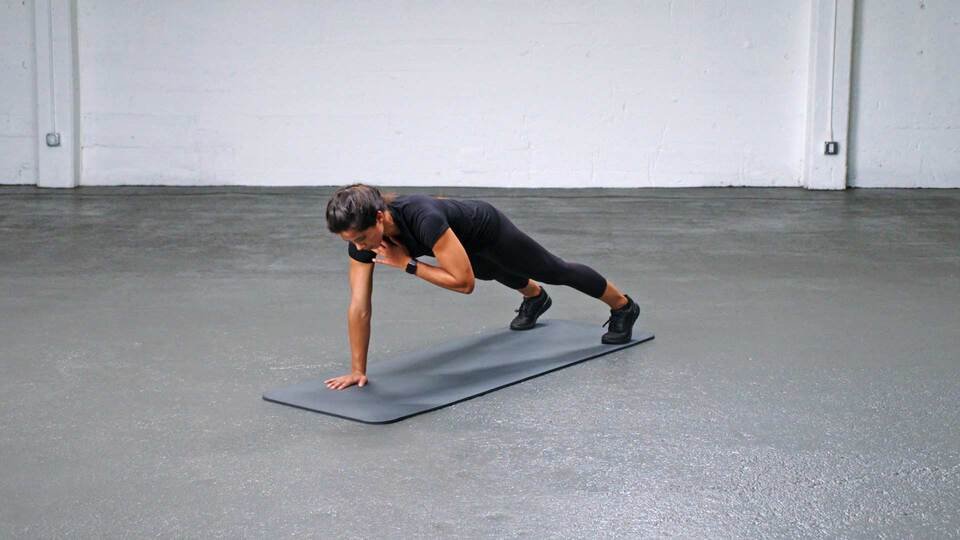
Still not sure if your traditional plank is up to par? Start with a straight-arm or forearm plank on a mat. Only when you can hold perfect form for 45 seconds should you attempt the plank hover. Advancing too soon is the top cause of unnecessary lumbar strain.
Want structured progression and results tracking? Unlike most articles, we recommend using a simple chart: log your max hold times and number of stable reps before progressing to a more unstable surface or dynamic variation. Challenge yourself by inserting the hover into recovery-focused workout days for extra core work without overtraining.
Advanced Analysis & Common Pitfalls
Few mainstream fitness guides account for the realistic downsides of plank hover. High EMG activation is great for core growth, but with instability comes risk of form breakdown, lumbar overload, or wrist and shoulder irritation—especially in less experienced users.
The most common mistakes with plank hover exercises include:
- Letting hips sag or shoulders round under fatigue
- Attempting unstable hovers before mastering basic plank holds
- Neglecting warmup for wrists, shoulders, and lumbar spine
- Progressing hold time too rapidly, leading to overuse
- Chasing “advanced” versions (like suspension or ball) prematurely
EMG research backs this up. Instability recruits more of the erector spinae (lower back muscles)—a useful stress for strong trainees but a danger for newcomers or anyone with a history of back pain. According to clinical EMG studies, dynamic and unstable planks create more lumbar loading than static ones; supervision and slow progression lower injury risk.
| Variation | Surface Stability | Muscle Activation (RA, EO, ES) | Injury Risk (per EMG study) | Best For |
|---|---|---|---|---|
| Classic Plank | Stable (Floor) | Moderate | Lowest | Beginners, rehab |
| Plank Hover (Swiss ball/TRX) | Unstable | High (up to 823% in EO) | Moderate to high (if poor base) | Advanced core routines |
| Dynamic Hover (Shoulder taps, hip lifts) | Unstable + Movement | Very high (esp. obliques/anti-rotation) | High (lumbar/shoulder load) | Elite athletes |
Want to make progress and avoid mistakes others make? Start with basics. Master traditional planks and careful progression—a tip echoed by this core activation study—then progress your plank hover with adequate rest and form checks every week.

Conclusion
Plank hover offers unmatched gains in core stability and strength for those ready for a leap beyond floor planks. Its unstable nature activates the superficial core, especially the rectus abdominis and external obliques, at levels most core moves can’t match. But the same challenge brings greater risk—don’t rush progression, respect technique, and log your metrics. Add the plank hover to your core program in rotation with fundamentals and other trending moves (like 30-3 walking workout). Ready for a real core upgrade? Make a plan, start slow, and track your progress now.
FAQ
What’s the key difference between plank hover and a classic plank?
Plank hover uses unstable surfaces (like a TRX or Swiss ball) versus the stable ground for a classic plank. This instability leads to higher core muscle activation but adds complexity and risk.
Is plank hover safe for beginners?
No. Beginners should master traditional floor planks before advancing to the instability of a hover. Poor form or premature progression increases injury risk, especially for the lower back.
How often should I perform plank hover exercises?
Most experts suggest 2-4 sets, 2-3 times a week. Always allow at least a day’s rest, as the core and lower back need recovery after high-EMG instability work.
What should I do if my lower back hurts during plank hover?
Stop immediately. Review your form (hips should not sag), reduce instability, and build up your traditional plank first. Persistent pain means consult a physician or physiotherapist.
How can I track progression with plank hover?
Use a log to record hold times, number of sets, and quality of form each session. Only increase instability or volume when you consistently maintain strong technique.