

Table of Contents
### Blog Post:
Mobile exercise apps have redefined how people approach fitness, offering accessible, digital workouts for every lifestyle. As the market explodes in 2024, choosing and succeeding with these apps takes insight, not just inspiration.
Key Takeaways
- The mobile exercise app market hit $10.6 billion in 2024, but only apps with engaging, innovative features retain users long-term.
- Integration of AI-driven personalization, wearable tech, and expert coaching sets the best apps apart from basic trackers.
- Lack of pricing transparency, privacy information, and certified instruction are major knowledge gaps users must navigate.
The Core Concept: What Makes Mobile Exercise Apps Relevant in 2024?
Mobile exercise apps deliver flexible, on-demand workouts, making it easier to fit fitness into today’s unpredictable routines. In 2024, the industry’s worth soared past USD 10.6 billion with over 345 million active users, proving these platforms are more than just a passing trend.
Innovation is key—apps now harness AI for ultra-personalized plans and sync with wearable fitness technology for real-time tracking. video-on-demand, in-app classes, and personalization tools address user demand for convenience and variety. This evolution is not just about logging activity; it’s reshaping how people think about home workouts, coaching, and community.
The landscape is competitive. Newcomers and established brands race to offer rewards, fresh workouts, and mind-body tools to retain hard-won users. Still, pain points remain unresolved—from technical issues and app fatigue to lack of transparency about costs, privacy, and expert credibility.

Step-by-Step Guide: How to Choose and Thrive with Mobile Exercise Apps
- Identify your primary fitness goal.
Whether it’s weight loss, strength building, flexibility, or mental wellness, your needs dictate your ideal app—be it an AI-powered personal training platform, a mindfulness-focused tool, or a competitive gamified experience. For cardio variety, consider trends like Japanese walking intervals or hybrid training programs.
- List your device and compatibility preferences.
iOS dominates app revenue with a 71% global share; some features or apps might be exclusive. Ensure any app you choose syncs with your wearables or health platforms, like Oura or Apple Health.
- Compare app features, not just ratings.
Look for video-on-demand, AI customization, real coaching, and nutrition tracking. Top performers blend in coaching, gamified challenges, group classes, and wellness tools.
- Check free trial and subscription terms—even when unclear.
Many competitor guides skip over pricing specifics. Test drive with free trials if offered, and beware of apps that obscure renewal charges or make unsubscribing hard.
- Research privacy policies and data controls.
Don’t assume all apps are equally secure. If no data policy is visible, take caution—especially with apps that collect sensitive health info.
- Look for professional coaching or instruction credibility.
Apps rarely advertise certifications, but established brands tend to deliver better guidance. Prioritize apps highlighting expert staff or partnerships, as seen in popular Pilates and yoga platforms.
- Leverage social and motivational tools for accountability.
Pick apps offering leaderboards, achievements, virtual classes, or gamified fitness challenges for long-term motivation.
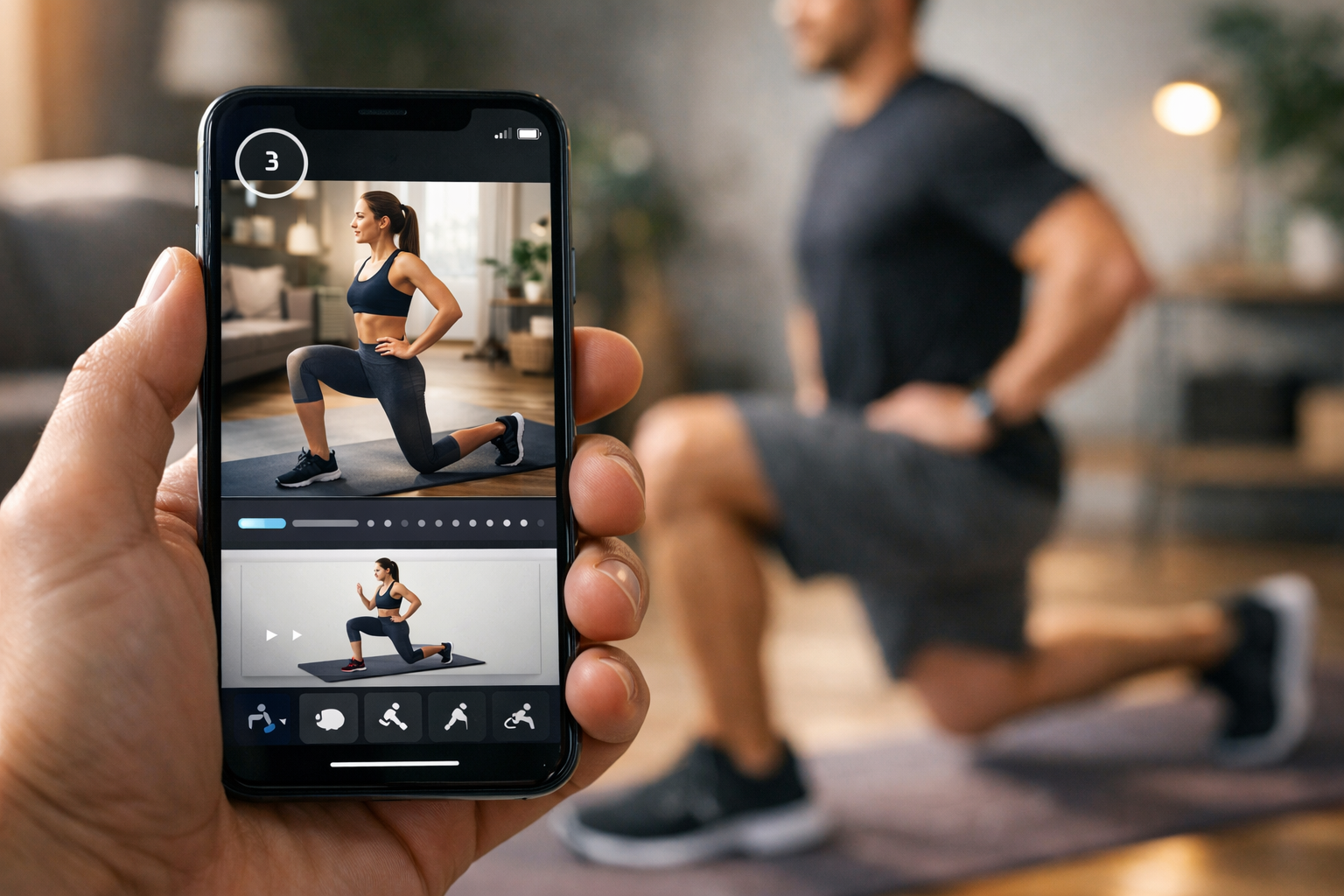
Don’t forget emerging trends. For a restorative blend of exercise and mindfulness on the go, explore walking yoga practices. For intensity seekers, try 30-20-10 interval routines or join hybrid, measurable communities like Hyrox training plans and challenges.
Advanced Analysis & Common Pitfalls
While mobile exercise apps empower millions, they come with real-world downsides. Here’s what current research—and market gaps—reveal.
Common Pitfalls to Avoid
- Churn and App Fatigue: Most users abandon apps quickly due to repetitiveness, technical glitches, and uninspired content. Only those offering regular updates, rewards, or community features keep people returning. (Source)
- Lack of Transparency on Costs: Few market leaders spell out their subscription model or in-app purchase structure clearly. It’s easy to end up with unexpected charges if you aren’t vigilant.
- Unclear Privacy and Security: Data protection details are mostly missing. You may be subjecting your activity, health, and biometric data to unknown uses—always read what little privacy info exists.
- Questionable Coaching/Instruction: Many platforms tout “expert guidance,” but rarely present proof of professional certification or qualifications. This undercuts trust and may leave room for poor advice.
- Device Compatibility Barriers: Over 70% of app revenue flows through iOS, so Android or wearable integrations can lag behind in updates and features.
Feature Comparison: Basic vs Advanced Apps
| Feature | Basic Fitness App | Top-Tier App (2024) |
|---|---|---|
| Personalized Plans | Generic templates | AI-driven, adaptive programming |
| Coaching/Instruction | Limited or text/image only | Expert video, live or VOD, possibly AI coaches |
| Wearable Integration | Basic (steps, calories) | Comprehensive, syncs recovery, biomarkers |
| Nutrition Tracking | Not included or very basic | Linked calorie/macronutrient monitoring |
| Community & Gamification | Rare | Leaderboards, challenges, badges |
| Privacy Controls | Minimal | Sometimes, but inconsistently transparent |
What Competitor Guides Leave Out
- Subscription and billing details: Very few reviews provide a real breakdown by app or mention the full cost after free trials.
- Explicit, user-reported pain points: Common complaints about inconsistent updates, unstable apps, or dissatisfying users experiences often go unreported outside of star ratings.
- Privacy/data use: GDPR, HIPAA, or data retention policies barely surface in guides—leaving users exposed.
- Instructor credentials: Qualifications and certifications rarely appear in public app profiles, so trust is often brand-based or assumed.

Conclusion
Mobile exercise apps are the modern gateway to personalized, on-demand workouts, but only if you choose wisely and proactively address the hidden flaws. Combine AI-powered features, new content, motivational challenges, and privacy diligence to get the most out of this fast-moving fitness revolution. Start your own test-drive with one of today’s leading apps—or explore trending alternatives highlighting everything from core strength hacks to digital Pilates and more—because the future of mobile exercise apps is whatever you make of it.
Ready to upgrade your routine? Compare, trial, and take control—your best digital workout journey starts now.
FAQ
What features matter most when choosing a mobile exercise app?
Look for AI-powered personalization, content variety, expert or certified instruction, wearable integration, clear privacy policies, and motivational tools like community challenges and rewards.
How can I avoid unexpected charges on mobile exercise apps?
Always review the price and subscription settings before starting free trials. Set calendar reminders to cancel if you don’t want to continue. Avoid apps that don’t clearly publish plan details in their app store profiles.
Are my data and health stats safe with fitness apps?
Not always. Many apps don’t disclose their privacy or security practices. Prefer apps with published data policies and those that comply with reputable privacy standards, but always use caution with sensitive information.
What’s the best way to stay motivated with an exercise app?
Choose apps that combine new class releases, streak tracking, leaderboards, or group challenges. Invite friends to join or leverage built-in gamification to keep your workouts fresh and engaging.
Do virtual instructors and coaches have real credentials?
It varies. Most apps do not display certifications, so research the brand’s background or seek independent reviews whenever instructor expertise influences your choice.