


Table of Contents
Japanese walking has become a buzzword in the fitness world, promising more than just simple steps. Backed by scientific research from Japan, this method—called Japanese interval walking—offers proven cardiovascular, strength, and bone benefits beyond ordinary walking. But is the hype justified, and how can you actually get started and stick with it?
Key Takeaways
- Japanese interval walking alternates brisk and slow phases, leading to notable heart, strength, and bone improvements in just five months.
- No equipment, gym, or pedometer is required—just focus on breath-based intensity and short recovery intervals.
- Common pitfalls include boredom with steady walking, improper intensity, and lack of clear progressions for different fitness levels.
What Is Japanese Walking? The Core Concept
Japanese walking refers to a unique interval walking method developed at Shinshu University, Japan, sometimes called “Nihon Aruki” or the “30-3 walking workout.” The core principle is simple: instead of walking at a steady pace, you alternate three-minute bursts of brisk walking (until breathless, about 70 percent of your peak effort) with three minutes of slow walking, for five sets. That’s a total of 30 minutes, ideally at least four days a week.

This structure contrasts with traditional continuous walking or running routines. According to major studies, this interval approach provides superior improvements in aerobic fitness (VO2 max), muscular strength, reduction in blood pressure, and even bone density—especially among adults over 40 and postmenopausal women. What’s more, five-month research found that people got these results even though they spent less total time walking than those following basic, steady-paced routines.
While this method’s popularity is rising worldwide, especially since viral TikTok coverage, it remains most researched and implemented in Japan, with free public apps and university-driven programs—but you can adopt it anywhere, on your own terms.
How To Practically Do Japanese Walking: Step-by-Step Guide
Ready to try Japanese interval walking for yourself? Follow this practical step-by-step approach, directly adapted from the original Shinshu method:
- Warm Up: Walk slowly for two to three minutes to prepare your muscles and joints. Focus on relaxed shoulders and even strides.
- Begin Your First Brisk Set: Accelerate your pace for three minutes. Aim for a speed where talking becomes difficult, but you’re not running. You should feel out of breath toward the end, reaching about seven out of ten effort.
- Recovery Phase: Immediately switch to a slow, easy walk for three minutes. Your breathing should return to normal. This prevents fatigue and allows you to maintain several sets.
- Repeat: Alternate between brisk (three minutes) and slow (three minutes) walking, for a total of five brisk sets (and five recovery intervals)—making 30 minutes in total.
- Cool Down: Walk slowly for another couple of minutes, allowing your heart rate and breathing to settle.
- Frequency: Strive for at least four sessions per week for noticeable results in five months.
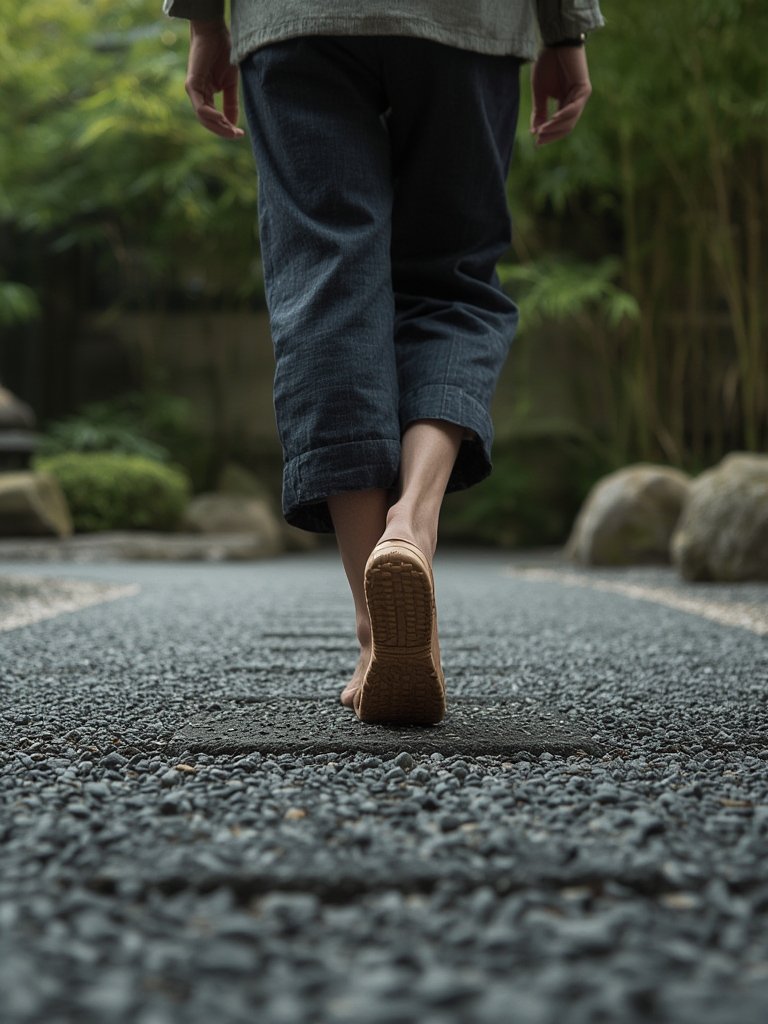
What makes this method unique is how accessible it is. You don’t need a gym, treadmill, or any equipment—just a place to walk safely, comfortable shoes, and a timer. If you have joint or balance concerns, walking on flat, even surfaces is recommended. Intensity is based on perceived breathlessness, so even without a fitness tracker, you can optimize your own session.
For more practical routines, check out the walking workouts for weight loss post, or adapt tips from our low-impact exercise benefits guide.
Advanced Analysis & Common Pitfalls
No workout is perfect—even Japanese interval walking comes with realistic downsides and areas that demand careful adjustment. Here’s what the latest research, including multi-year Japanese public studies, tells us:
- Adherence and Boredom: Early research showed participants found continuous high-intensity walking “too boring and difficult” for long-term success; interval-based Japanese walking greatly improved enjoyment and adherence.
- Fitness Level Gaps: Most protocols are oriented toward middle-aged and older adults. There’s little guidance for young, athletic, or highly deconditioned users to adjust set intensity or count, so beginners may need to start with briefer intervals or fewer total sets.
- Intensity Calibration: Since you judge “brisk” pace by breathlessness, it’s easy for beginners to go too hard—or too easy. Using a free app (like those noted in Shinshu University’s studies) can help keep you on track.
- Injury Risk: While studies call this a low-impact program, none provide real injury-risk statistics. Those with known joint or balance problems should approach new routines cautiously and consult a medical professional first.
- No Step Targets: Unlike the classic “10,000 steps” goal common in most resources, Japanese walking does not use a step count; it’s all about effort and intervals, which may be confusing for those used to pedometer-based fitness routines.
- Limited Demographic Data: The bulk of clinical evidence comes from middle-aged, older, or postmenopausal participants. There’s limited published data for high-performance athletes, teens, or those recovering from injury.
| Aspect | Japanese Walking (IWT) | Traditional Walking | Standard HIIT Walking |
|---|---|---|---|
| Interval Length | 3 min brisk/3 min easy | Continuous (no intervals) | Often 1-2 min brisk/ 1-2 min rest |
| Intensity Cue | Breathlessness (no tracker needed) | Conversational/easy | Heart rate zones/trackers |
| Target User | Middle-aged/Older/Anyone | Any age | Often younger/athletic |
| Injury Risk Addressed? | No concrete data | Minimal risk | Potential for overdoing it |
| Pedometer Use | Not required | Often recommended | Sometimes required |
| App/Tech Required | No, optional app exists | No | Sometimes required |
If you’re interested in more actionable health routines, take a look at our guides to beginner HIIT cardio, check out how to improve bone density, or learn about walking for heart health and how many steps per day is enough.

Conclusion
Japanese walking, with its research-backed interval structure, stands out as a low-barrier, high-result fitness solution. Just thirty minutes a session—alternating brisk and easy walking—can rapidly boost your cardiovascular capacity, lower blood pressure, increase bone strength, and sustain fitness long term. Sticking to breath-based effort, not gadgets, you truly need nothing more than your own body and a timer. Whether you’re new to fitness or struggling to stay consistent with steady walking, adopting Japanese walking could be the most effective step you take this year. Try the Japanese walking method consistently for five months and experience the difference firsthand—your heart, muscles, and bones will thank you.
Start today, track your progress, and see why Japanese walking is more than just another trend—it’s your path to sustainable health, right at your doorstep.
FAQ Section
How quickly will I see results from Japanese walking?
Most research trials show measurable improvements in aerobic fitness, leg strength, and blood pressure after five months of regular practice (at least four times a week). Some people notice progress in energy and stamina sooner.
Do I need any special equipment or a pedometer for Japanese walking?
No equipment or pedometer is required. Intensity is based on your own sense of breathlessness. Free interval timer apps or the official Japanese walking app can make timing easier but are not mandatory.
What if I can’t manage five sets of three-minute brisk intervals?
That’s perfectly normal for beginners. Start with two or three intervals and gradually build up as your fitness improves. Consistency is more important than perfection in each session.
Is Japanese interval walking suitable for older adults or those with joint issues?
Yes. The research shows the program is especially well-tolerated by older and postmenopausal adults due to its low impact and alternating rest periods. Still, consult your doctor before starting any new program if you have medical concerns.
How does Japanese walking compare to jogging for fitness?
There are no direct research studies comparing Japanese walking to jogging in the same trials. However, Japanese interval walking typically offers similar or greater cardiovascular benefits than steady-paced walking, with less impact on the joints than running—making it attractive for older or injury-prone individuals.

[…] fitness levels, space, and time constraints. Unlike high intensity interval walking methods such as Japanese walking, walking yoga emphasizes controlled movement and intentional awareness over speed or cardiovascular […]
[…] your fitness routine currently includes high intensity interval walking or walking yoga, think of the plank hover as a perfect next-level addition to maximize your core […]