

Table of Contents
Fitness for older adults is not just a health trend—it’s a key to staying independent, energetic, and confident beyond age 60. But unrealistic programs, financial hurdles, and a lack of tailored support often leave many seniors underserved. Let’s break down what really matters for sustainable, safe, and meaningful fitness as you age.
Key Takeaways
- Sustainable fitness for older adults depends on realistic, adaptive approaches—not generic workouts.
- Cost, physical limitations, and safety concerns are the biggest barriers seniors face, but practical, affordable solutions exist.
- Mental health benefits and social engagement are often overlooked, yet they are crucial for success and long-term motivation.
What Is Fitness for Older Adults and Why Does It Matter?
Fitness for older adults is a purposeful approach to staying active, mobile, and resilient into your 60s, 70s, 80s, and beyond. It’s not about chasing six-packs or running marathons. Instead, the focus is on maintaining daily independence, reducing fall risks, boosting mental health, and staving off age-related decline.
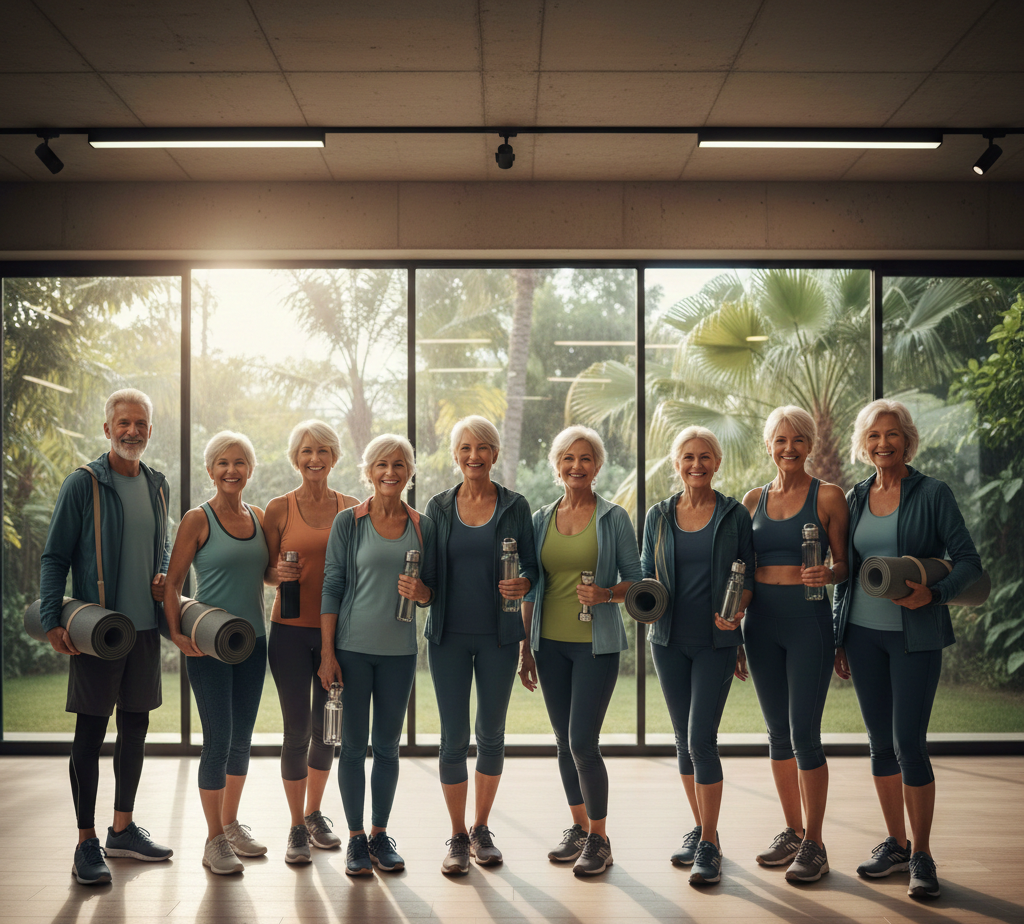
Unlike general fitness programs, effective senior fitness emphasizes:
- Adaptability—adjusting movements for mobility, joint health, and chronic conditions.
- Safety—avoiding falls and injuries, especially when starting new activities.
- Affordability—making use of budget-friendly options when possible.
- Mental and social well-being—not just muscles, but mood, energy, and community ties too.
Sadly, many older adults face barriers: physical pain, lack of motivation, social isolation, cost, inaccessible facilities, or fear of falling. According to recent analysis, these hurdles are especially high for those living with chronic health issues or relying on public spaces that lack adaptive equipment. Recent reports highlight this reality.
Embracing an age-adapted fitness approach means meeting seniors where they are—physically and emotionally—to create real change, not frustration or fatigue.
Step-by-Step Guide: Building an Age-Friendly Fitness Lifestyle
Ready to get moving? Here is a practical, realistic roadmap for making fitness a trusted part of your life after 60. Each step addresses a real pain point or barrier identified in recent research.
- Identify your unique needs and barriers.
- Write down any chronic conditions, pain points, or fears (like falling, joint strain, or boredom).
- Note environmental challenges, such as transportation or lack of nearby programs—these are common, as reported in recent studies.
- Choose accessible, adaptable exercises.
- Walking remains the easiest entry point—no equipment, naturally low-impact.
- Try new, senior-friendly trends: 30-20-10 interval training (short, structured intervals, proven to improve heart health even for beginners).
- For core strength and flexibility, explore beginner Pilates routines from apps like Nord Pilates. home-based options are much cheaper than studio classes, skipping mobility and transportation barriers.
- Add balance and strength training—but keep it safe.
- Bodyweight moves like sitting-to-standing, wall pushups, or gentle planks build strength and confidence. Need variety? Learn proper form with the plank hover (simple but very effective for core stability).
- Balance work can be as basic as standing on one foot near a countertop for safety.
- Prioritize consistency over intensity.
- Make exercise social: join a free walking group, online community, or try gamified fitness apps for accountability and fun.
- Track your progress. Free mobile exercise apps provide structure and reminders so you stick to your plan.
- Focus on affordability.
- Seek out low-cost or subsidized programs at local senior centers, parks, or YMCAs.
- Ask your doctor or insurance provider about sliding-scale fees, grants, or Medicaid coverage for adaptive equipment—benefits often go unclaimed due to lack of awareness (see current findings).
- Check for safe, qualified instruction.
- Look for instructors with real experience guiding older adults, or who advertise fall-prevention training. Always ask what modifications are offered for chronic issues.
- If possible, bring a friend or family member for the first few sessions for extra support and feedback.
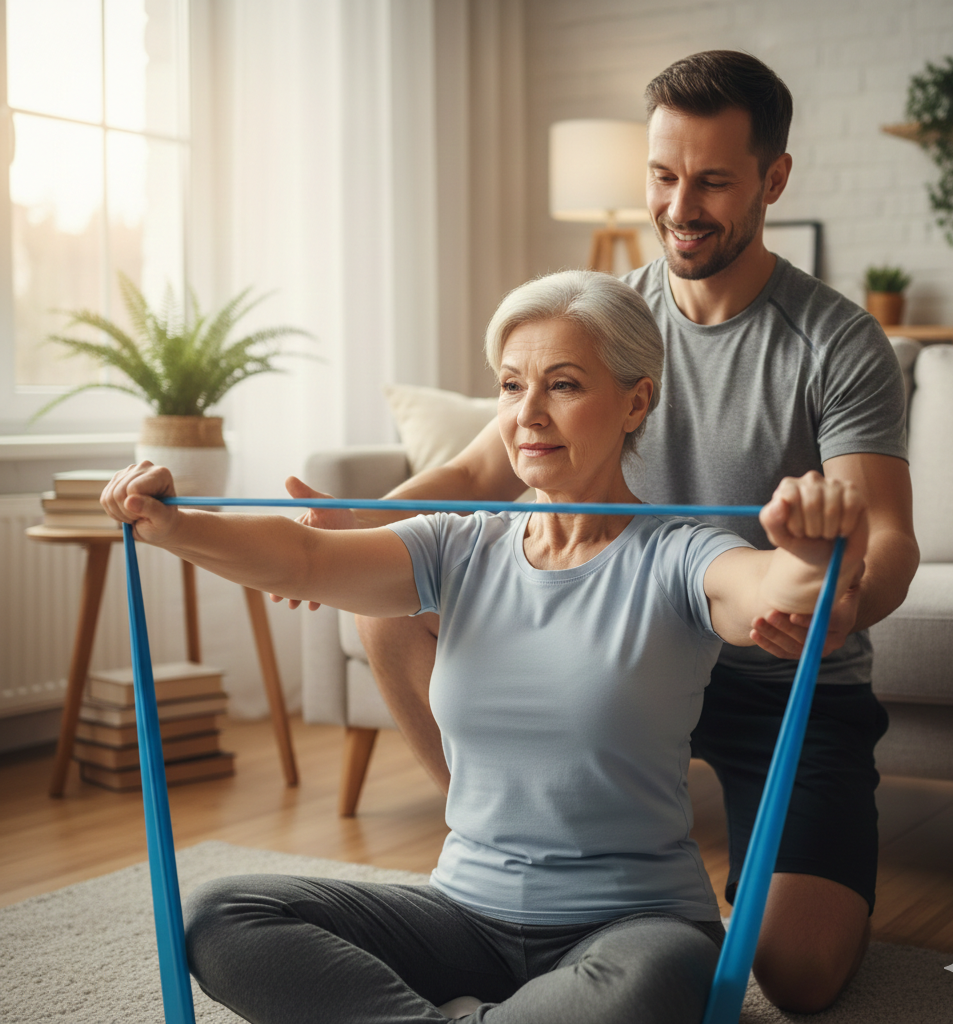
If you encounter discomfort or fatigue, scale back: shorter sessions, even lighter movement, or more breaks. Remember, avoiding burnout is vital—especially for those managing multiple health conditions.
Advanced Analysis & Common Pitfalls
While the path to improved fitness for older adults is clearer than ever, the most common stumbling blocks are often overlooked by mainstream advice. Here’s what the research (and frustrated real-world seniors) reveal:
| Barrier or Pitfall | Impact | How to Address |
|---|---|---|
| Cost of Equipment/Classes | High expenses block participation for many—especially those in low-income situations. |
|
| Physical Health Barriers (chronic pain, joint issues) | Pain or limited mobility stops many from getting started or sticking with it. |
|
| Accessibility/Environment | Lack of transport, poor sidewalks, and non-inclusive gyms force many seniors to stay home. |
|
| Safety Concerns & Fear of Falling | Worry about injury stops activity before it starts. |
|
| Lack of Motivation & Social Isolation | Isolation makes regular activity hard to maintain. |
|
| Lack of Safe Guidance | Unqualified instructors or generic routines can cause injury or burnout. |
|
Current top-ranking resources often neglect mental health and social connection. Yet, isolation and depression are real barriers to consistency. That’s why joining walking groups, trying walking yoga, or using AI personal training apps for accountability make a dramatic difference—often more than upgrading your gear or trying a new exercise fad.
Finally, beware one-size-fits-all routines, “miracle” supplements, or high-pressure trainers. Customization and patience yield safer, more sustainable results for older adults.
Conclusion
Fitness for older adults is achievable—even with busy schedules, chronic conditions, or tight budgets. Prioritizing adaptable movement, social engagement, and consistent routines pays off in improved energy, independence, and quality of life. Ready to act? Start today with one step—no matter how small. Share your progress and challenges to inspire others, and remember: realistic fitness is lifelong fitness.
Want more tailored tips? Explore trending, senior-friendly routines like Japanese walking or walking yoga and stay connected for the latest research-backed guidance.
FAQ
What is the safest exercise to start with if I haven’t worked out in years?
Walking is the safest and easiest place to begin. Even short, slow walks around your home or block are effective. Gradually include gentle stretching or simple bodyweight moves when you’re ready.
How can I make fitness more affordable?
Look for free or subsidized classes through senior centers or community centers. Many online platforms, like virtual Pilates or on-demand apps, offer affordable or even free programs. Do not overlook the potential for Medicaid assistance on adaptive equipment.
How do I know if an instructor or program is safe for older adults?
Ask about their experience working with seniors and whether they provide modifications for arthritis, fall prevention, or chronic health needs. Look for programs with clear focus on beginners and safety cues.
What if I have chronic pain or balance issues?
Adapt movements as needed and prioritize gentle, low-impact activities. Avoid high jumps or fast changes in direction. Always consult your doctor or a specialist before starting any new program if you have concerns.
Does fitness for older adults help mental health?
Yes, consistent activity can dramatically boost mood, limit depression and anxiety, and support social connection—especially through group or community-based programs.