

Table of Contents
Assisted stretching services are rising in popularity as people seek professional help for better flexibility, mobility, and post-exercise recovery. But do these services truly deliver the promised results—and are they worth the investment compared to stretching on your own?
Key Takeaways
- Assisted stretching services may improve range of motion and reduced muscle stiffness, but current studies do not show major additional benefits over self-directed stretching for injury prevention or recovery.
- Proper technique and qualified supervision are essential—risks include overstretching or increased injury if protocols are ignored.
- Always ask about therapist qualifications, protocols, and personalization to ensure safe and effective sessions.
The Core Concept: What Are Assisted Stretching Services, and Who Needs Them?
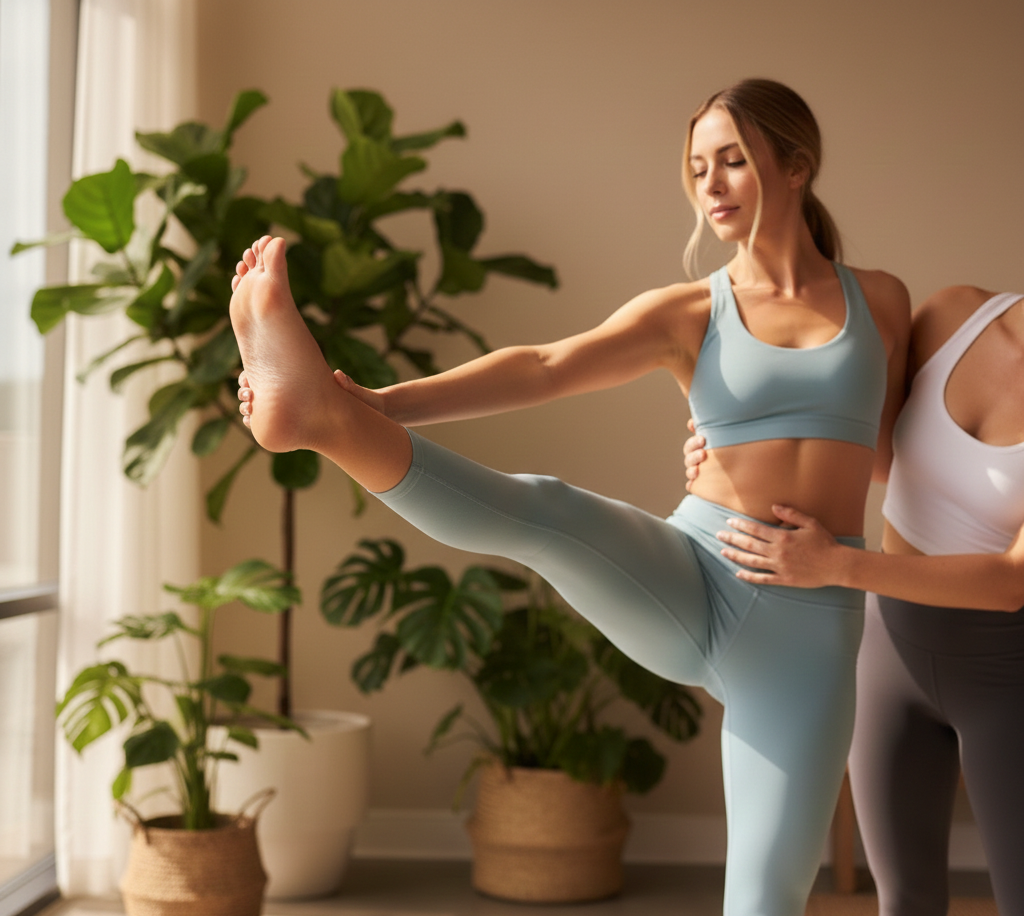
Assisted stretching services involve working with a trained practitioner—sometimes called a stretch therapist, flexibility coach, or mobility expert—who helps move you into deeper stretches than you usually achieve on your own. Sessions are typically hands-on, with practitioners guiding your limbs or using specialized equipment to enhance your range of motion. The goals include improved flexibility, reduced muscle tension, and faster recovery from exercise or daily life.

Why seek assisted stretching instead of solo routines? Many people report enhanced flexibility and relief from stiffness when sessions are tailored professionally. Older adults, athletes, and anyone recovering from repetitive strain may consider these services. However, recent research suggests that while stretching does increase joint range of motion, measurable benefits over self-directed routines—especially regarding injury prevention and acute recovery—are not strongly established. According to a 2024 static stretching study, ten weeks of consistent home stretching improved ankle flexibility by +9°, but similar outcomes may be achieved without a partner.
In short, assisted stretching can make sessions more consistent and tailored, but expect incremental rather than dramatic gains for most healthy adults. For a trend focused on rhythmic movement and flexibility you can practice solo, see high intensity interval walking, which also supports range of motion in a functional way.
Step-by-Step Guide: Maximizing the Value of Your Assisted Stretch Session
- Research and select your provider carefully. Look for experience, relevant background in movement science or massage therapy, and reviews that mention personalized attention. With no enforced national standards for “stretch therapists,” ask about training and protocols.
- Prepare for your first session. Wear flexible clothing, hydrate, and arrive a few minutes early. Communicate your current pain points and recent injuries upfront to avoid unsafe movements.
- Start with an assessment. A quality provider will test your baseline flexibility, ask about your goals (pain relief, sport performance, posture), and explain their approach to stretching.
- Be an active participant. Even though the practitioner leads, tell them immediately if a movement feels painful or overly intense. Safe assisted stretching should never be excruciating. Expect to breathe deeply and relax during most movements—for example, during partner-assisted hamstring or hip stretches. If you want actionable recovery between sessions, try complementary mobility work like walking yoga or core activation strategies such as the plank hover.
- Review your results and adjust as you go. Track not just your flexibility but how you feel after each session—less stiffness, improved range of motion, maybe better sleep.
- For best results, combine professional sessions with daily self-stretching. Use simple routines targeting your tightest areas, which maximizes gains and helps justify the cost if you’re investing in professional support.
- Ask if your provider is familiar with or uses any recovery technology. While there’s currently no data on AI-guided stretching tools in the field, some leading studios now track range of motion digitally or provide progress insights through apps. For more on this tech shift, see our guide to AI personal training in fitness.
Advanced Analysis & Common Pitfalls
Assisted stretching offers hands-on support for flexibility, but several pitfalls and knowledge gaps remain, especially as claims outpace the research. Here’s a realistic evaluation based on the latest evidence:
| Aspect | Assisted Stretching | Solo Stretching |
|---|---|---|
| Range of Motion (ROM) Gains | Yes, evidence for improved ROM (e.g., +9° over 10 weeks) in general stretching—assisted may add comfort/consistency but no proven superiority1 | Yes, same gain reported in home-based routines1 |
| Pain or Stiffness Relief | Reported by many users; effect not objectively measured in 2023-2024 research | Reported by users; no head-to-head comparison available |
| Injury Prevention | Slight decrease in muscle injuries, but small increased risk of bone/joint injury2 | Similar outcomes; correct technique essential for both2 |
| Cost | Variable; typical sessions (unavailable mid-2024) can range $30–$100 each | Free (self-directed) |
| Professional Oversight | Potential benefit—BUT check for qualifications as no universal certifications required as of 2024 | None unless following guided routines or digital apps |
| Customization | High, if practitioner is skilled and adapts approach | Moderate, unless you use a highly structured program |
1: 2024 Static Stretching Study | 2: 2024 Delphi Consensus on Stretching
- Pitfall 1: Overreliance on professional help can lead to neglecting daily self-care routines, which remain foundational for mobility.
- Pitfall 2: Therapist skill levels vary widely. As no strict federal standards exist, some practitioners may not possess advanced knowledge of anatomy or safety protocols.
- Pitfall 3: Not all sessions are personalized. Cookie-cutter approaches may not address your specific needs. True flexibility progress comes from consistent, customized routines.
- Pitfall 4: Expect incremental—not miraculous—improvements, especially if you already stretch regularly. If you want to optimize full-body resilience, blend assisted sessions with modalities like hybrid training programs or try cost-effective alternatives like the Nord Pilates app for structured mobility.

Conclusion
Assisted stretching services can help boost your flexibility, offer hands-on support, and turn stretching into a consistent, guided practice. However, current research shows that the benefits over solo stretching are incremental, with no dramatic evidence for enhanced injury protection or recovery. The value of these services depends most on practitioner skill, tailored protocols, and integrating self-directed routines. If you want to experience the potential gains of assisted stretching services, seek out qualified professionals, combine their expertise with your own daily stretching, and track your results over time. Ready to try it? Book a trial session, and remember to ask the tough questions—your body will thank you.
FAQ
Do assisted stretching services guarantee injury prevention or faster recovery?
No. Studies from 2023-2024 show some potential for reduced muscle injury but do not find strong evidence of faster post-exercise recovery or comprehensive injury protection. Proper technique and consistency matter more than who delivers the stretch.
How often should I book an assisted stretching session?
Most providers recommend 1-2 times per week for noticeable results, alongside regular self-stretching. Consistency over several weeks is key for improvements in flexibility.
How can I verify a stretch therapist’s qualifications?
Ask for certifications in relevant fields like kinesiology, massage therapy, or personal training, as there are no required national standards in 2024. Look for reviews mentioning professional knowledge and safety protocols.
Can I achieve similar results with high-quality self-stretching?
Yes. Recent studies report similar gains in flexibility for home-based, self-directed stretching routines when matched for frequency and effort. Assisted sessions can improve comfort, accountability, and adherence—especially if you struggle to stretch on your own.
Are there specific risks with assisted stretching?
Minor risks include overextension or strain, especially if the practitioner is inexperienced or ignores feedback. Always communicate discomfort immediately, and never allow a provider to push past your safe limits.