
Table of Contents
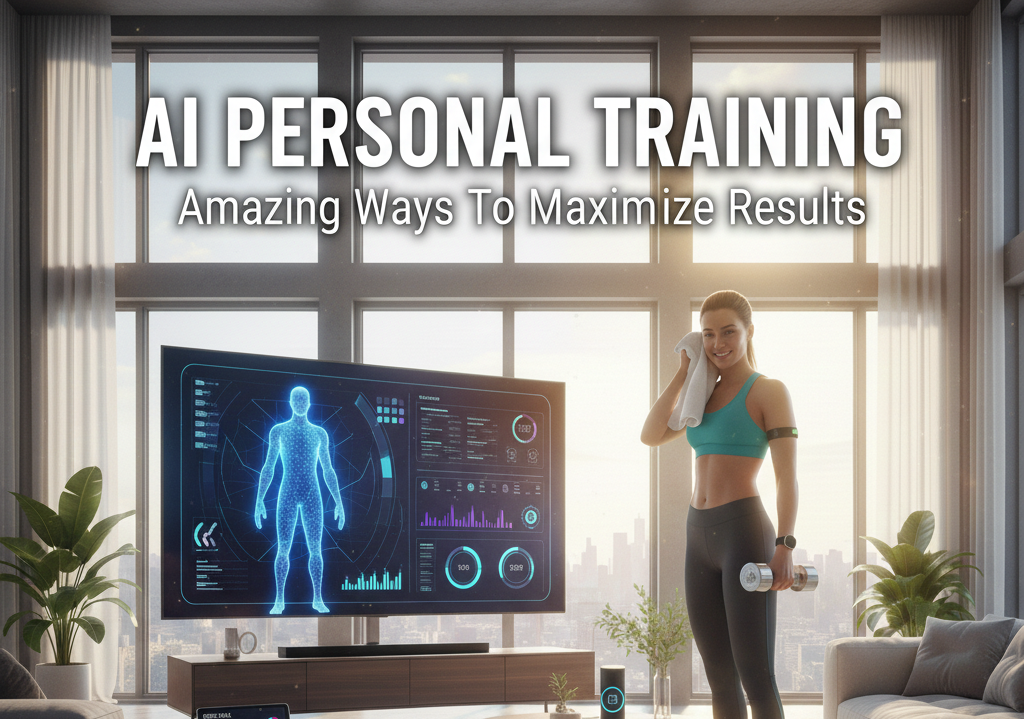
AI personal training is reshaping how people approach fitness, bringing on-demand coaching, personalized workout plans, and nutrition guidance through smart technology. Whether you’re new to fitness or a seasoned athlete, understanding how AI personal training works—and its realities—can help you get more value while avoiding big mistakes.
Key Takeaways
- AI personal training is growing fast, with most trainers using AI for custom workouts and billions in projected market value by 2035.
- AI fitness apps provide science-backed results like higher adherence, better performance, and reduced injury rates—but few explain how plans are made or protected.
- Users should be aware of pitfalls: limited customization, unclear data security, and cost differences compared to traditional training.
What Is AI Personal Training and Why Does It Matter?
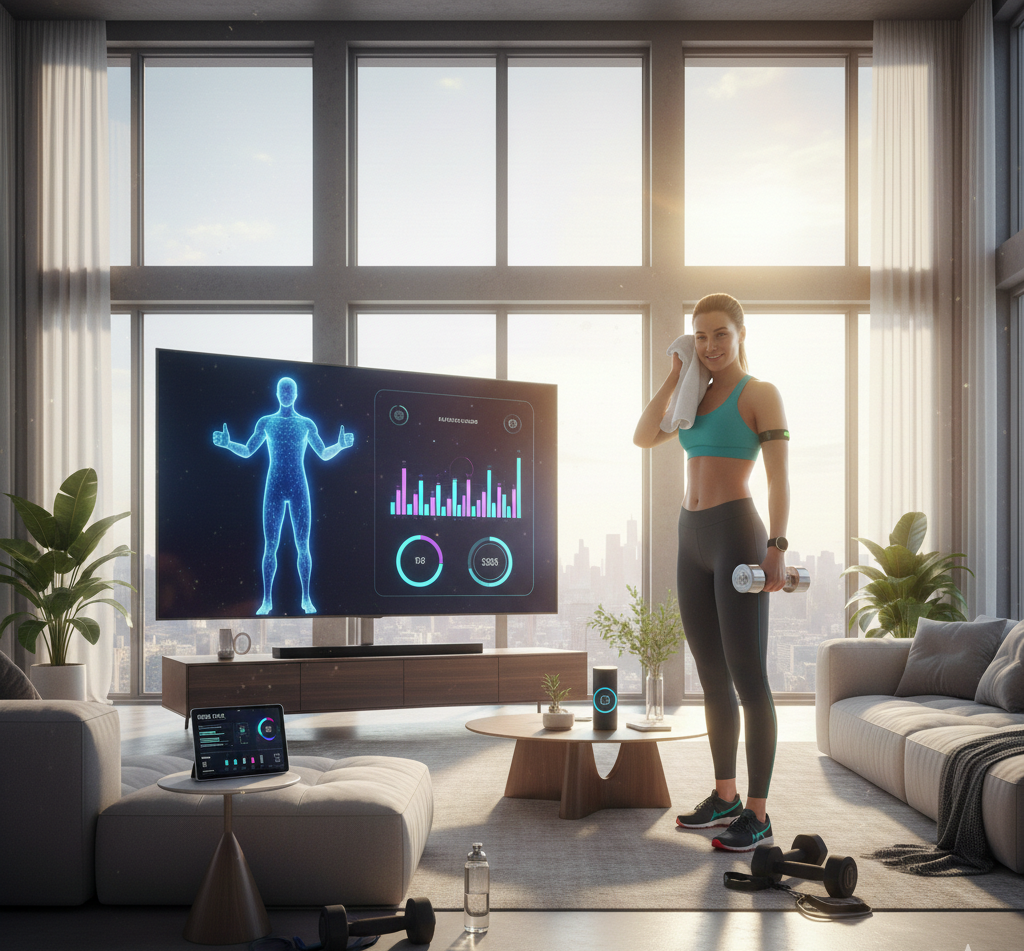
AI personal training uses machine learning algorithms to analyze your fitness data—such as workout habits, goals, sleep, and diet—and then generates adaptive workout and nutrition plans that adjust as you make progress. AI-powered apps and virtual trainers offer guidance, track your form, provide instant feedback, and even automate your fitness journaling.
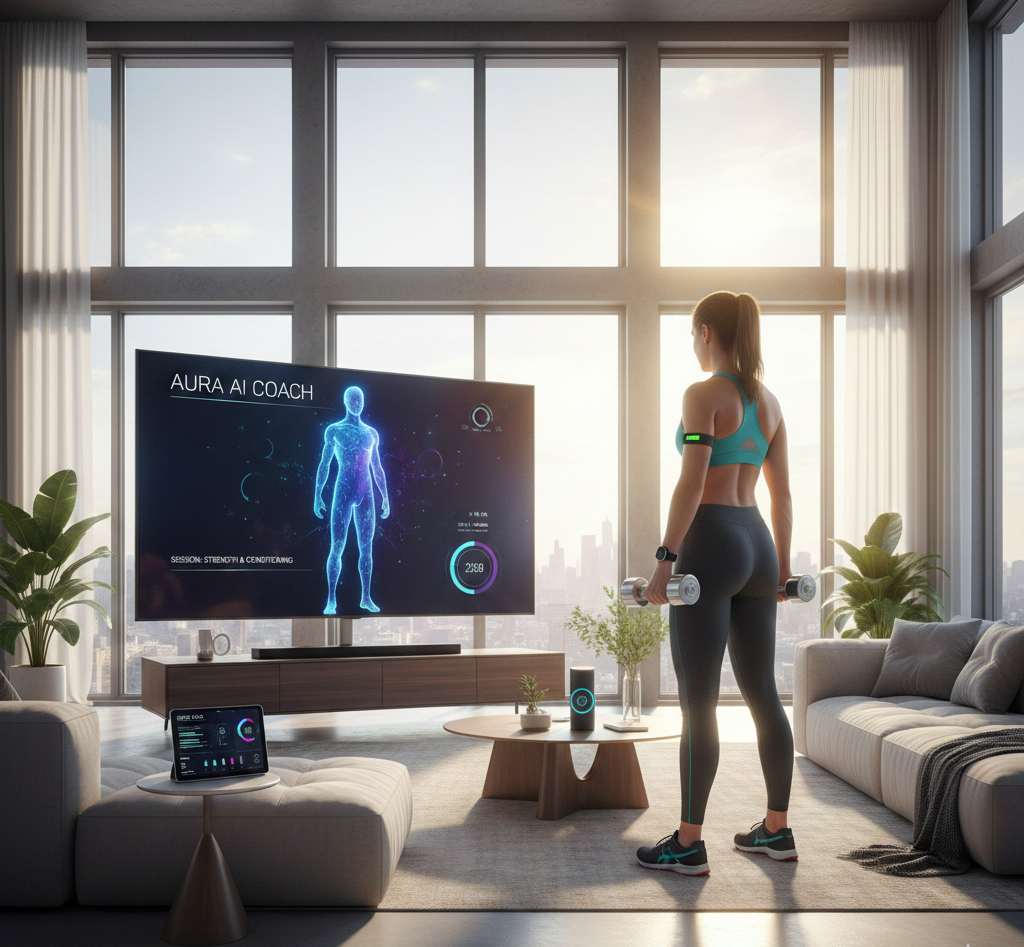
This approach is not just for tech enthusiasts. The Sports Training AI Market reached $974 million in 2024, with the overall Personal Fitness Training Software Market expected to balloon to $43 billion by 2035. Notably, 78% of personal trainers now use AI to craft custom workout and nutrition plans for their clients.
AI personal training matters because it can bridge the gap for users who want affordable, on-demand fitness guidance, and for trainers aiming to streamline programming. Plus, research suggests strong results: studies reveal up to 90% better performance, 40% higher adherence, and a 25% drop in injury rates for AI-assisted users.
If you want a time-efficient cardio option, the high intensity interval walking method is trending worldwide and can mesh well with any AI-driven routine.
How to Get Started with AI Personal Training
Ready to put AI personal training to the test? Follow these practical steps to ensure you’re choosing the right tools and making real progress.
1. Define Your Fitness Goals and Constraints
List your goals (fat loss, endurance, muscle gain), available time, equipment at hand, injuries, and diet restrictions. This helps you tune any AI trainer right from the beginning.
2. Compare and Select AI Fitness Apps
Browse the features and user reviews for leading AI apps. Common options include AI gym coaches, home workout bots, and nutrition-specific trainers.
- Look for apps with real adaptive intelligence, not just static plan generators.
- Review trial periods and any pay-per-use or subscription costs.
For yoga and recovery-focused routines, walking yoga and hybrid practices are now available in many AI programs.
3. Set Up Your Profile and Input Accurate Data
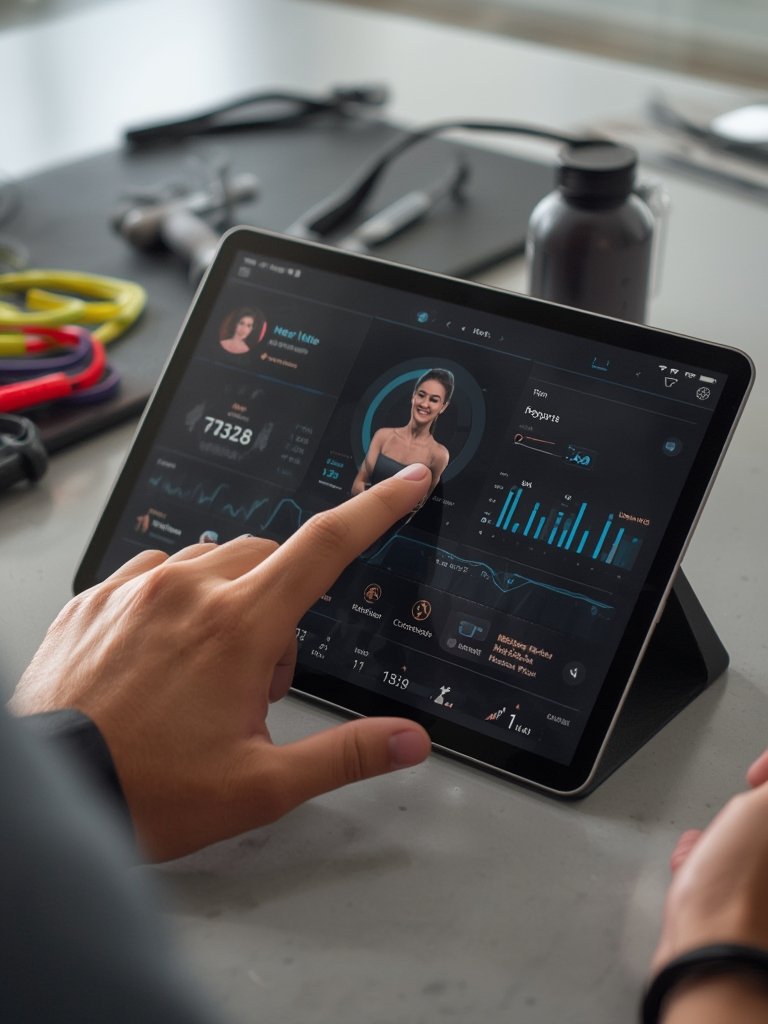
Enter honest information about your stats, preferences, and previous injuries. AI relies entirely on your provided data; inaccurate details will lead to bad plans or ineffective routines.
Most apps offer a “getting started” assessment that takes 5-10 minutes. Don’t underestimate its importance.
4. Test and Adjust the AI Plans
Try the first week of your AI-generated workouts and give detailed feedback if the app allows it. If your plan is too easy or too advanced, adjust your settings or leave notes for the AI to recalibrate your plan.
5. Schedule Progress Checks
Stick to routine reassessments—ideally every 2-4 weeks. Apps that include video feedback or form analysis prompt check-ins for ongoing adjustments. This maximizes the potential of adaptive AI, keeping you progressing and safe.
If you run into a plateau, introduce challenges like the plank hover or experiment with a 30-20-10 interval workout for variety.
For those who love home workouts, apps like Nord Pilates app offer Pilates-inspired programs led by AI, blending guided training with low-impact moves.
6. Track Nutrition and Recovery
Sync your workouts with AI nutrition coaches for meal planning and with sleep tracking tools for full-circle progress monitoring. AI can reinforce habit change only if it sees your whole picture, not just your gym routine.
7. Review Privacy Settings
AI platforms often request access to sensitive data. Review privacy settings, opt in to only what’s necessary, and look for platforms that explain data protection even if details are lacking in public reports.
Advanced Analysis & Common Pitfalls
Even with explosive growth in AI personal training, user experience is not perfect. Here are the most common pitfalls and advanced considerations to keep in mind.
Common Pitfalls of AI Personal Training
- Customization Limits: Some apps provide only surface-level personalization, reusing the same plan templates with minor tweaks. You may feel your unique needs are not fully addressed.
- Accuracy Issues: Many users report poor accuracy in exercise selection or movement instructions, especially with complex lifts or if you have unusual goals or injuries.
- Limited Transparency: It’s rarely clear which algorithms or data sources power your plan, or how often they are updated.
- No Direct Trainer Feedback: Unlike a human coach, AI apps struggle to replicate nuanced motivation, real-time correction, and adaptation to mood or life events.
- Data Privacy Concerns: Few platforms publicly discuss their data protection strategies or disclose any breaches.
- Cost Confusion: Subscription and pay-per-use pricing can add up. Always compare with traditional trainer rates, factoring in any free trial limits.
Comparison Table: Traditional vs. AI Personal Training
| Feature | Traditional Trainer | AI Personal Training App |
|---|---|---|
| Personalization | Highly tailored, real-time | Template-driven, semi-adaptive |
| Motivation/Accountability | Human connection | Automated prompts, gamification |
| Plan Adaptability | Instant adjustments | Usually requires user feedback to update |
| Cost (Typical, per month) | $200-$400 | $10-$50 |
| Nutrition Coaching | Often extra cost, or via referral | Included in most apps |
| Data Privacy | Minimal tech footprint | Largely unclear, app-dependent |
| Accessibility | Limited to session/time/location | On-demand, global access |
If you’re interested in a hybrid approach, at-home reformer Pilates using AI guidance is a rapidly growing trend blending effective routines with professional oversight.
Conclusion
AI personal training makes professional-level guidance more affordable and accessible, but users must be realistic about its limits and take steps to maximize results. The best approach is to use AI as a tool—leverage the convenience, but stay involved and demand accountability from your tech.
Interested in better results with less guesswork? Try incorporating AI personal training into your routine today, and don’t be afraid to mix methods or challenge your program if you hit a plateau.
Ready to take the next step? Explore leading AI fitness apps, experiment with new routines, or try trending approaches like Hyrox training for a complete experience.
Frequently Asked Questions
How accurate are AI personal training apps compared to human trainers?
AI apps can achieve 82-85% accuracy in predicting non-contact leg injuries and deliver up to 90% better exercise performance. However, they may fall short in complex personal adjustments, motivation, and real-time correction versus an attentive human coach. Most apps work best as a supplement, not replacement.
Is my personal data safe with AI fitness platforms?
The specific data security practices of many major AI fitness platforms are not always disclosed. Before signing up, check privacy policies for details and only share minimum required information. If you’re concerned, avoid platforms that do not clearly state their privacy protocols.
What costs should I expect for AI personal training?
AI fitness apps typically cost between $10-$50 per month, with some offering free basic plans or trial periods. Traditional personal trainers usually charge much more—$50-$100 per session, averaging $200-$400 monthly. Always review hidden fees and trial limits before starting any new app.
What are some downsides of using AI personal training?
Most complaints involve limited customization, lack of advanced adaptation, less real-time feedback, and uncertainties about how personal data is managed. AI apps also struggle to provide the same level of encouragement or confidence building as a dedicated personal trainer.
Can AI help with nutrition and recovery, or just workouts?
Modern AI personal training apps often integrate nutrition tracking, recovery advice, and even sleep or stress monitoring. For example, research shows 68% of users see progress in eating habits when using AI nutrition tools alongside workouts.