
Table of Contents
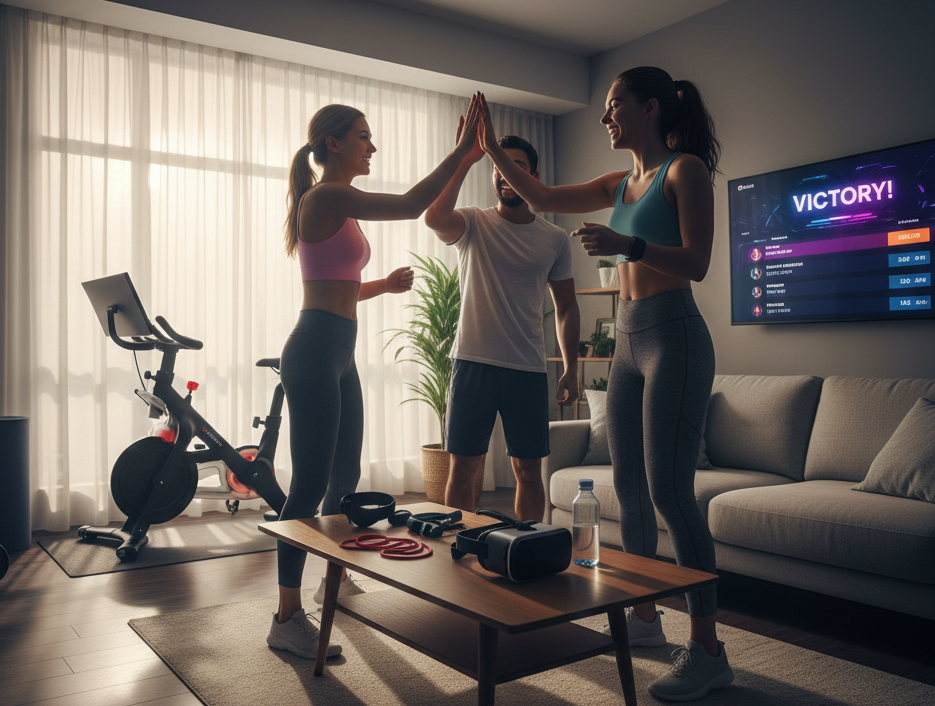
Gamified fitness is transforming how people approach exercise by turning workouts into engaging challenges that keep you motivated, accountable, and invested in your physical progress. This method appeals to those who struggle with traditional routines and are searching for ways to make fitness more fun, social, and sustainable in 2024.
Key Takeaways
- The global gamified fitness market has exploded, with billions in revenue and staggering user growth—especially in apps, VR, and wearables.
- Effective gamified fitness solutions use real-time leaderboards, social competition, AI-trainers, and rewards to boost user consistency and engagement.
- Hardware compatibility and onboarding remain barriers, but anyone with a smartphone or wearable can start gamifying workouts today.
What Is Gamified Fitness and Why Is It Different?
At its core, gamified fitness applies game mechanics—like points, levels, challenges, and leaderboards—to everyday workouts. Unlike repetitive gym routines, it transforms exercise into a dynamic experience built around competition, achievements, and personalized goals. Every action, from steps counted to a completed class, can trigger instant feedback and rewards.
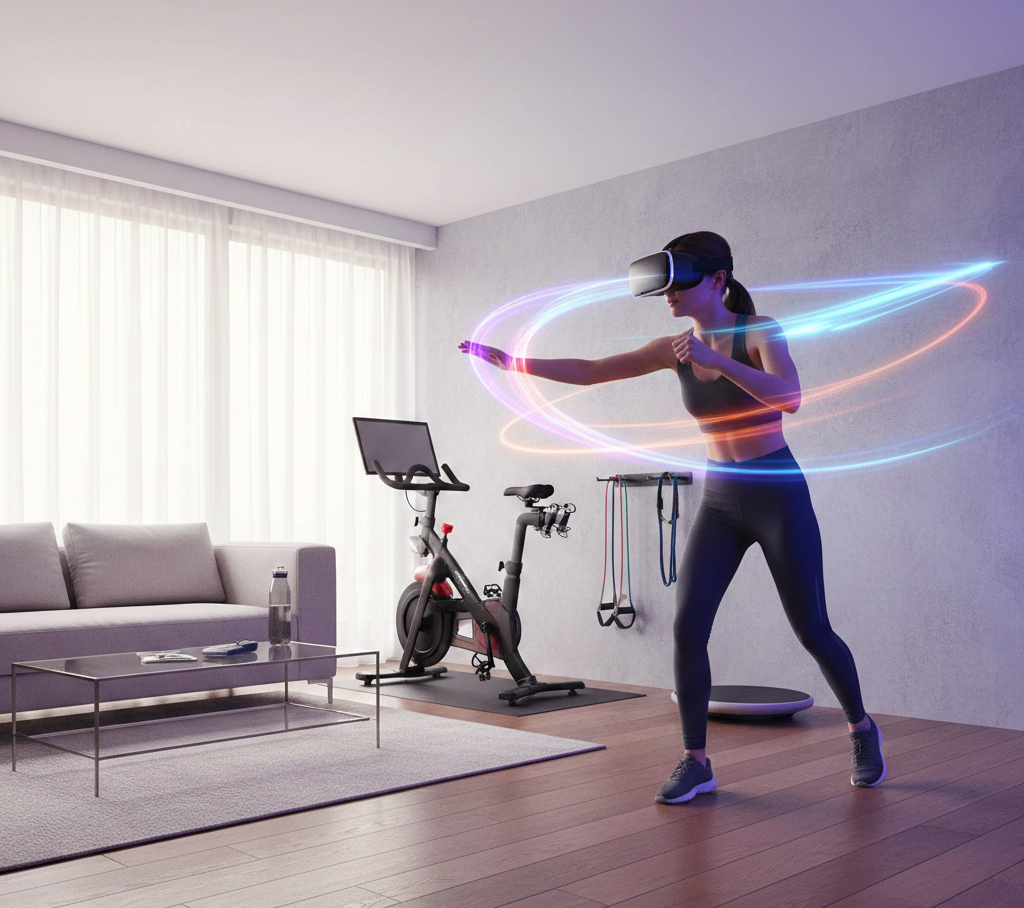
This isn’t just a niche trend. As of 2024, the AI-powered gamified fitness platform market is valued at USD 2.14 billion and is projected to soar beyond USD 16 billion by 2033, growing at a rapid 24.1% CAGR. Fitness gaming apps and wearables adoption are also breaking records, with over 345 million active users in digital fitness apps and 50% of consumers now owning fitness wearables (source).
What makes gamified fitness different is how it targets two big pain points: lack of motivation and difficulty sticking with routines. By introducing accountability, healthy rivalry (even if it’s just you versus yourself), and instant feedback, the approach makes it easier to commit both mentally and physically.
Whether you enjoy multiplayer VR challenges, group step competitions with friends through your wearable, or AI-powered apps that track your daily wins, gamified fitness creates positive reinforcement loops. This is similar to how the 30-3 walking workout leverages simple structure and goals for sustainable improvement.
How to Start With Gamified Fitness: Step-by-Step Guide
You don’t need expensive gear or a reinvented workout plan. Here’s exactly how to integrate gamified fitness into your daily routine, regardless of your current level or budget:
- Pick Your Platform or Device
Decide if you want to engage via smartphone apps, fitness wearables, or VR systems. Most digital fitness apps (e.g., Strava, Apple Fitness+) now offer in-app challenges, points, and badges. For VR or gaming, check device compatibility and space requirements. - Create a Profile and Set Baseline Goals
Whether you’re tracking daily steps, weekly yoga sessions, or calorie burn, always record your starting point. Many apps offer onboarding quizzes, and wearables sync health data automatically for tailored targets.If you crave low-impact, scientifically-backed routines, the viral walking yoga benefits trend blends mindfulness and movement—and can be easily gamified for streaks and progress badges.
- Accept Challenges—Or Create Your Own
Join an existing challenge within your app community, or set up private competitions (step count, distance covered, calories burned, etc.). To keep things fresh, rotate challenges weekly. You’ll find inspiration in the Hyrox workout community, which thrives on regular competition and collective goals.
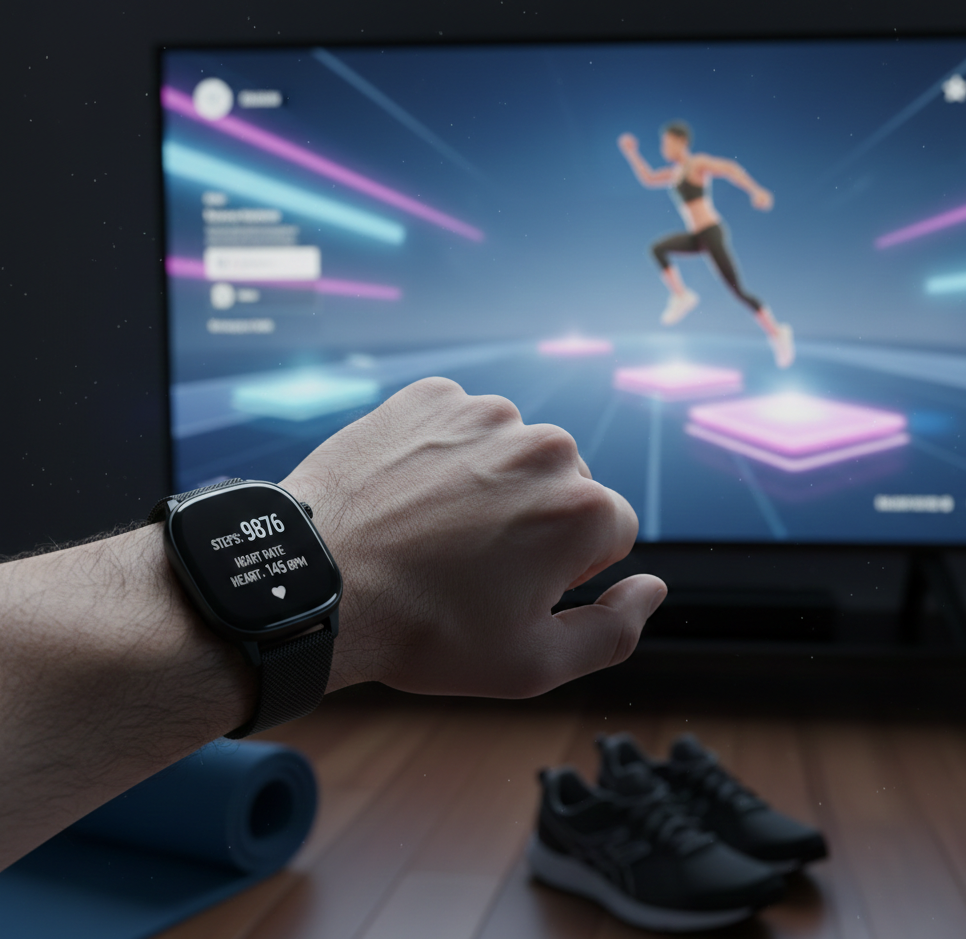
Most platforms display daily and weekly summaries, personal bests, and progression toward goals. Many also offer virtual rewards—such as digital trophies or unlocking new levels. If you use a wearable, you can set personalized milestone alerts and even share achievements for added accountability.
Those overwhelmed by HIIT will appreciate alternatives like the 30-20-10 workout, which is easy to gamify with micro-goals and regular achievements.
Invite friends or join groups for live leaderboard competitions, virtual races, and collaborative challenges. Apps like Peloton or Strava amplify engagement by connecting you with global communities, not just local peers.
Use built-in analytics to see where you stack up and where you can improve. If you want more depth and personalization, try apps that incorporate AI-driven feedback, similar to those described in the AI personal training guide.
By stacking habit-forming elements like streaks, competition, rewards, and social feedback, you transform the exercise grind into a sustainable, highly engaging process. You’ll start looking forward to workouts instead of dreading them.
Advanced Analysis & Common Pitfalls
Although the growth of gamified fitness is impressive, not all implementations deliver the same level of motivation or community. Here’s what savvy users and gym operators need to watch out for:
| Aspect | Strength | Pitfall/Issue |
|---|---|---|
| Leaderboard & Competition | Increases motivation; fosters accountability | Can intimidate beginners, breed unhealthy comparison |
| Rewards/Point Systems | Drives consistent engagement | Can lose novelty; some users “game” the system rather than exercise with purpose |
| Social Features | Builds support networks | May trigger privacy concerns or feelings of exposure |
| Hardware/Device Requirements | Improves tracking accuracy and experience | High upfront cost; complex setups for VR/AR |
| User Onboarding & App Complexity | Guided tutorials, habit streaks | Steep learning curve for less tech-savvy users |
| Pricing/Subscriptions | Access to premium features and content | Ongoing cost can deter long-term use; few free options with robust gamification |
Market research shows few apps specifically address real user complaints around fitness challenges or leaderboard stress. This creates a gap for platforms to focus more on inclusive, beginner-friendly gaming experiences. Hardware and device integration is rapidly improving; wearables now dominate tracking, with 50% adoption and 70%+ market share (source), but gym-based VR or AR setups can still be expensive or overwhelming for new adopters.
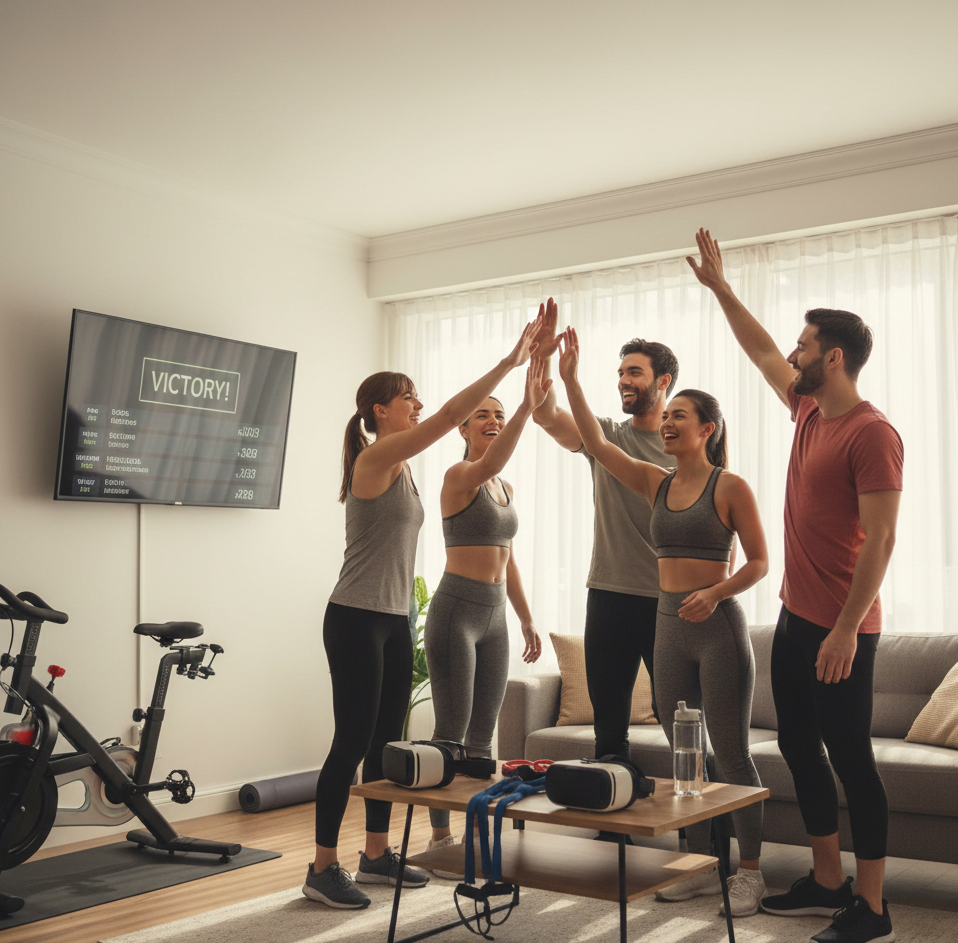
Finally, monetization is heavily subscription-based, contributing nearly 75% of digital fitness earnings (source). While you can try most services free initially, sustained engagement often comes at a premium, with advanced features reserved for paying users. For those seeking a cost-effective path, minimalist programs like the plank hover workout offer high engagement without ongoing fees.
Conclusion
Gamified fitness is more than a passing trend—it represents a meaningful evolution in how people stay active. By blending movement with game-like elements, modern workout platforms make exercise more engaging, consistent, and technology-driven. This approach has seen rapid growth in both users and revenue, thanks to its flexibility across wearables, social training apps, and even virtual reality experiences. What makes it work so well is the mix of real-time feedback, friendly competition, and reward systems that keep motivation high. If you want to upgrade your workout routine, try an interactive fitness app, set an enjoyable challenge, and turn your next session into an experience you’ll actually look forward to.
FAQ
What are the best devices for gamified fitness?
Smartphones, wearables (such as Oura Ring and Whoop Band), and Meta Quest are the most popular. Most people start with an app that works with their existing device.
Is gamified fitness only for competitive people?
No. While leaderboards and competitions are common, there are plenty of solo challenge and progress-tracking options. Many platforms let you mute the social features if you prefer personal milestones.
Do I have to pay for gamified fitness apps?
Most apps offer a free tier with basic challenges and tracking. Advanced features, customized programs, and multiplayer games are usually part of paid subscriptions, which dominate the market’s revenue model.
Are there low-impact or recovery-friendly options in gamified fitness?
Absolutely. You can gamify gentle routines—like walking yoga and interval walking—for points or streaks. Check out guides on walking yoga benefits for ideas.
How do gyms or trainers use gamified fitness with clients?
Gyms integrate app-based leaderboards, onsite VR activities, and wearable data. Trainers may use AI-powered platforms to set custom challenges and monitor progress, similar to approaches in AI personal training.