


Table of Contents
30-20-10 interval training is a fast, science-backed running method proven to boost speed, endurance, and heart health with less time on your feet. Here’s exactly how it works, what results to expect, and how to avoid the mistakes most runners make when starting this approach.
Key Takeaways
- 30-20-10 interval training delivers rapid endurance and cardiovascular improvements with fewer weekly miles compared to traditional steady-state running.
- Beginners should use submaximal sprints and monitor heart rate closely to avoid overexertion risks while still enjoying similar performance gains.
- Practical gaps remain around real-world tools for tracking progress and detailed head-to-head comparisons with other interval approaches.
The Core Concept
This simple training format alternates 30 seconds at a low pace, 20 seconds at a moderate pace, and 10 seconds at near-maximal effort. Runners repeat this cycle continuously for five-minute blocks, with sessions lasting 20 to 40 minutes total. The science clearly shows that these short but sharp surges, repeated regularly, unlock aerobic and anaerobic fitness with less training time. Most studies use a treadmill or safe running loop, but a treadmill or safe running loop also works well.

30-20-10 interval training pushes your heart rate to 90–95% of its maximum for brief periods, which stimulates improvements in heart function, maximal oxygen uptake, and running economy. In real terms, recreational runners saw a 2.3–4% improvement in their 5k time after just 6 weeks [source]. Even elite soccer players increased their intermittent endurance by 18% with this model.
Unlike the well-known 10-20-30 method, where the hard effort comes first, 30-20-10 makes the high-intensity effort the reward at the end of each minute. This design keeps the workout accessible, less intimidating, and promotes strong adherence for both beginners and experienced athletes.
If you prefer low-impact alternatives or need active recovery, explore high intensity interval walking protocols that offer similar cardiovascular benefits without running.
Step-by-Step Guide
Follow these steps to start your first 30-20-10 interval training session and see rapid gains:
- Begin with a thorough warm-up: Jog or brisk walk for 10 minutes. Add dynamic movements like high knees or skips to prep your muscles.
- Choose your setting: An outdoor 400m track is ideal, but a quiet path or treadmill works. Use a stopwatch or running watch with interval alerts.
- Start your first 5-minute block: Alternate:
- 30 seconds at low or easy pace—think conversational effort
- 20 seconds at a moderate effort (breathing harder but under control)
- 10 seconds of near-maximal sprint (80–100% of your max for beginners)
Repeat this 30-20-10 pattern non-stop for 5 minutes.
- Take a 2–3 minute recovery walk or slow jog after each 5-minute block. Aim for 3–4 blocks, depending on fitness.
- Cool down with 5–10 minutes of easy walking or jogging.
- Track your progress: Time your sessions, monitor heart rate if possible, and log your perceived effort.
- Repeat 3 times per week: Most research shows best results with this frequency for 6–7 weeks [source].
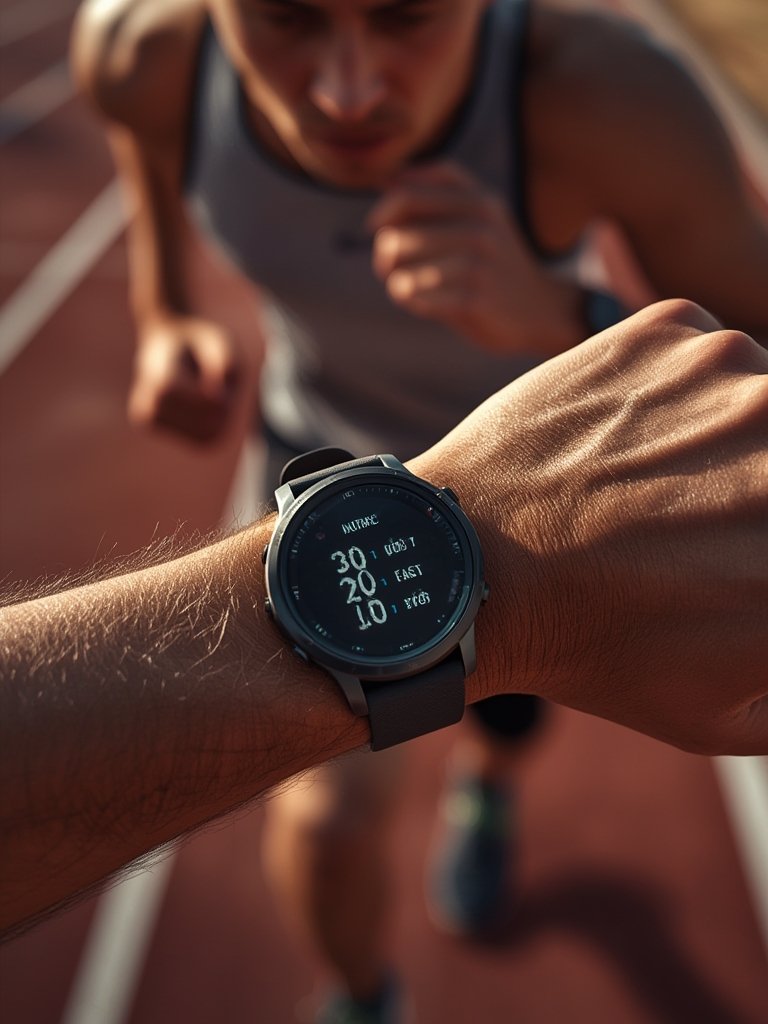
For best results, replace some regular steady-state runs or easy days with a 30-20-10 session. As your confidence builds, add a 5km time trial every few weeks to measure changes. If you’re following a conditioning program focused on core or Pilates, consider weaving in complimentary low-impact moves like the plank hover for stronger all-around athleticism.
Advanced Analysis & Common Pitfalls
Even with a straightforward structure, runners encounter hurdles. Here are the main pitfalls and how to troubleshoot them:
- Jumping into maximal sprints too soon: This often leads to excessive fatigue or aches and can undermine adherence—especially for new runners or those switching from regular steady runs. The research supports starting with “submaximal” 10-second efforts (80% max).
- Neglecting proper tracking: Many runners skip tracking pace or heart rate, making it hard to accurately gauge progress or avoid overtraining. Modern wearables or simple stopwatches bridge this gap.
- Repeating sessions with poor pacing: Running the 30 or 20-second segments too quickly leaves you gassed before the key 10-second sprint. Set your paces conservatively for the first block and adjust upward only if you feel strong.
- Lack of variety and recovery: This method works best as a supplement or rotation, not every-day training. Mix in slower sessions—such as walking yoga or cross-training for mental and physical balance.
| Format | Interval Structure | Recommended For | Potential Downside | Before-After Results |
|---|---|---|---|---|
| 30-20-10 | 30s easy, 20s moderate, 10s fast | Beginner to advanced runners | High heart rate may need monitoring; less effective if sprints overdone | 2.3–4% 5km improvement after 6–7 weeks [source] |
| 10-20-30 | 10s fast, 20s moderate, 30s easy | All fitness levels, hesitant about sprints | Not as much performance data for runners | General health/fitness gains; fewer direct stats |
| Tabata, 30/15, etc. | Variable high-intensity with rest periods | More advanced; those chasing VO2 max spikes | High intensity may risk injury/burnout | Gains in aerobic power; some diminishing returns with long intervals |

Many runners wonder if advanced tracking or wearable tech is needed. While research does not point to a specific “best” device, a simple heart rate monitor or a reliable running app with interval reminders increases safety and helps you train at the right intensity. More advanced options can track VO2 max or heart rhythm, but these are not mandatory for solid results.
Many blogs gloss over recovery needs, lack of real-user testimonials, and the real experience beginners face when transitioning from steady-state running. For a lower barrier entry or to supplement hard running, investigate digital solutions such as a personalized Pilates program to build total-body resilience.
Conclusion
In summary, 30-20-10 interval training is a time-efficient, research-driven method for real gains in speed, endurance, and heart health. Its unique structure makes intense efforts less intimidating and highly effective. Start conservatively, track your progress, rotate with lower-impact methods like Japanese walking or yoga-inspired walks, and you’ll be on the path to better running and stronger cardiovascular health. If you’re ready to transform your fitness, implement this 30-20-10 interval training plan today and feel the change by the end of the first month.
FAQ Section
What is the ideal weekly frequency for 30-20-10 interval training?
Most studies suggest performing 30-20-10 intervals three times a week for six to seven weeks. This spacing balances intensity with recovery.
Can beginners safely try 30-20-10 intervals?
Yes. Start with the 10-second sprint at about 80% of your all-out effort. Use a heart rate monitor and stop if you feel dizzy or overexerted.
What’s better—30-20-10 or 10-20-30 interval structure?
Both formats can improve fitness. 30-20-10 places the hard effort last in each minute, making it less intimidating but still effective for speed and endurance. 10-20-30 has shorter sprints, which may be better for those worried about lactate burn. Choose the format that suits your mentality and goals.
Which equipment or app do I need?
A simple stopwatch, phone timer app with customizable interval alerts, or a GPS running watch is enough. Advanced heart rate monitors and VO2 max trackers help but aren’t essential for beginners.
Can I do 30-20-10 training indoors?
Yes. Treadmills work well for this protocol as you can pre-program speed changes and keep accurate timings. Just ensure you have enough room for the final 10-second sprint segment.

[…] simulating race conditions.🔥 Hacks & Tricks: Replace one long steady run each week with 30-20-10 interval training for more explosive endurance—proven for time-crunched athletes to boost VO2 max […]