
Table of Contents
Looking for the best cable machine for home gym setups? You’re not alone. More home gym owners want versatile, space-saving strength solutions—but real data on cable machines is hard to find. Here’s what you need to know to make a smart, frustration-free decision that delivers real results.
Key Takeaways
- Cable machines deliver versatile, joint-friendly resistance and can anchor a complete home gym—but key specs and potential issues are rarely discussed in reviews or market reports.
- Choosing the right model involves real-world research: physical footprint, installation, attachment options, and honest self-assessment of your workout style and space.
- Expect to face challenges around setup, warranty coverage, and product quality, especially if shopping on a budget or with limited space constraints.
Understanding Cable Machines for Home Gyms
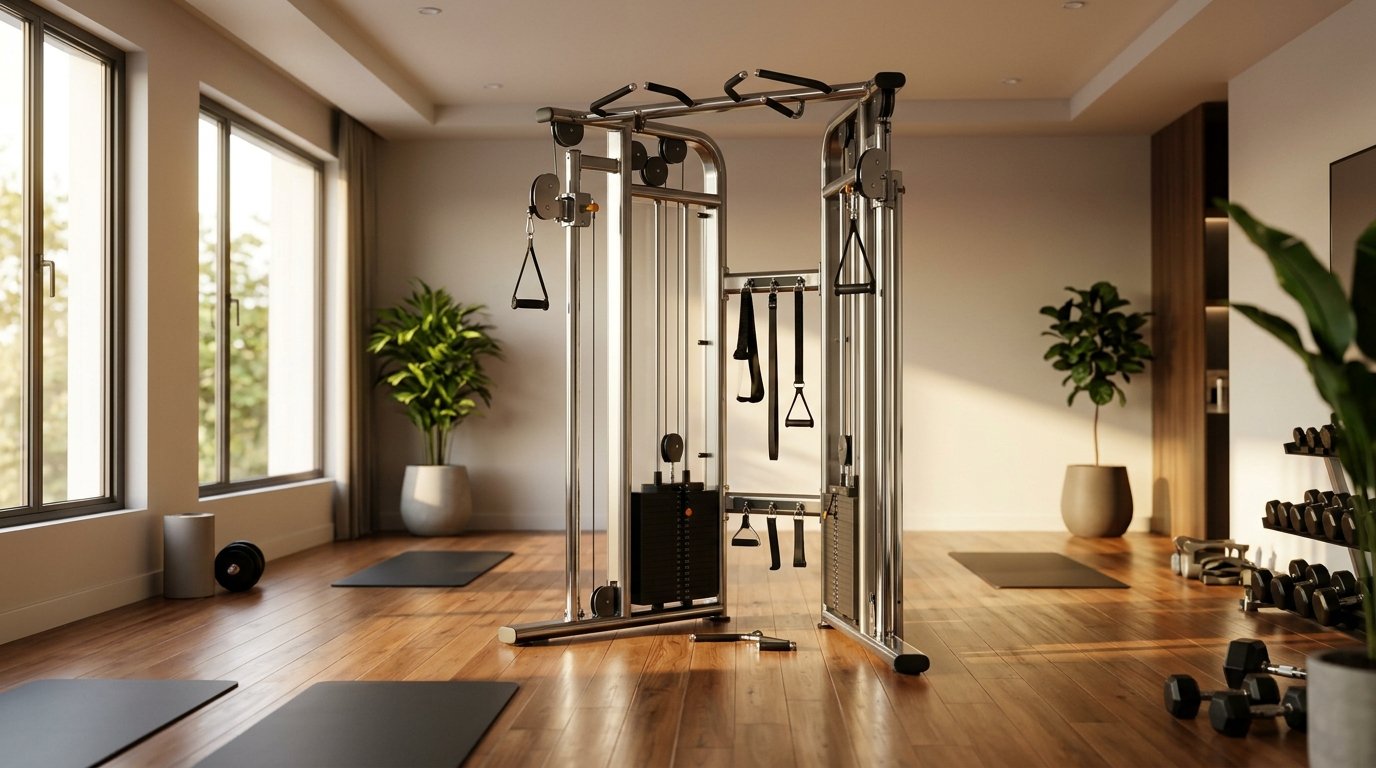
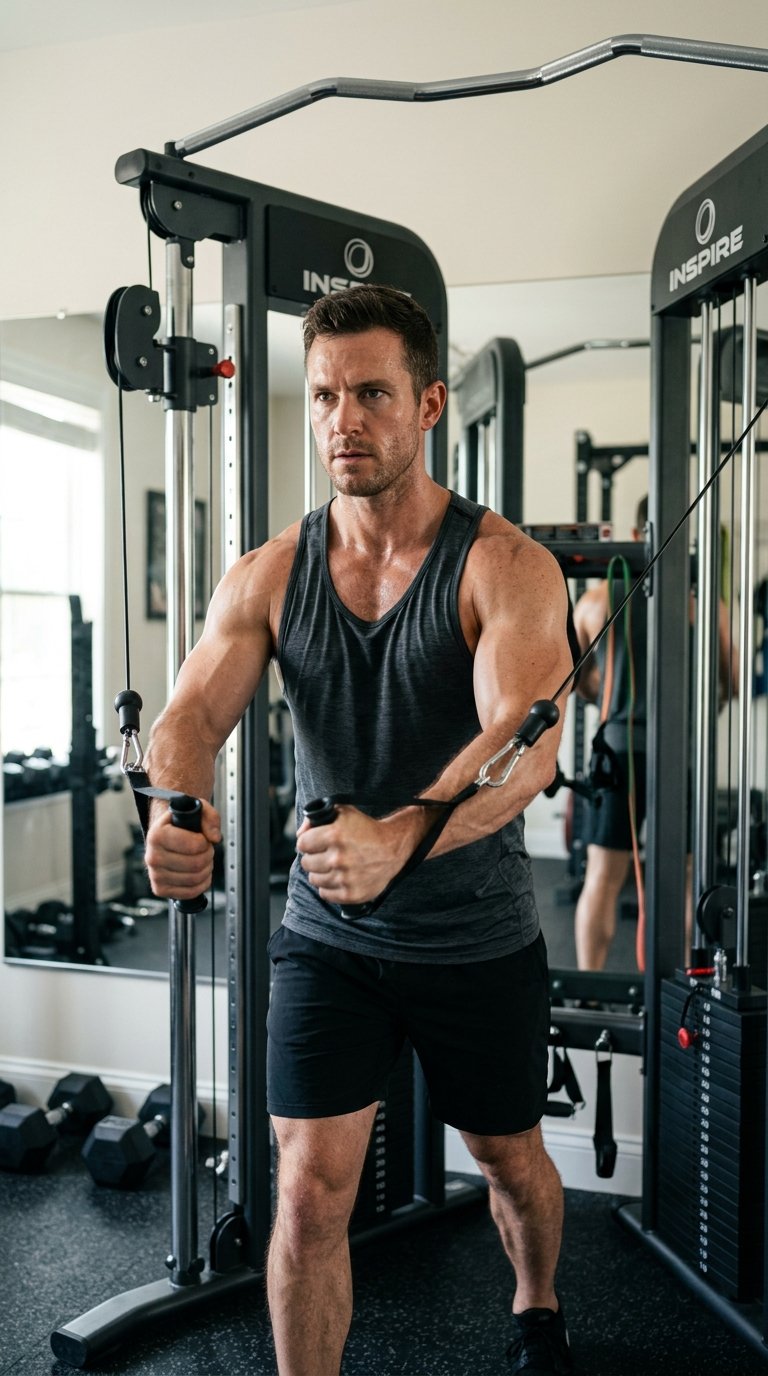
Cable machines give home gym users maximal workout variety in minimal space. Unlike dumbbells or barbells, a cable system provides continuous tension and lets you hit every muscle group, even with just one machine. Whether you want high-rep sculpting, rehab, or explosive sports power, you can dial in your training with a quality cable machine.
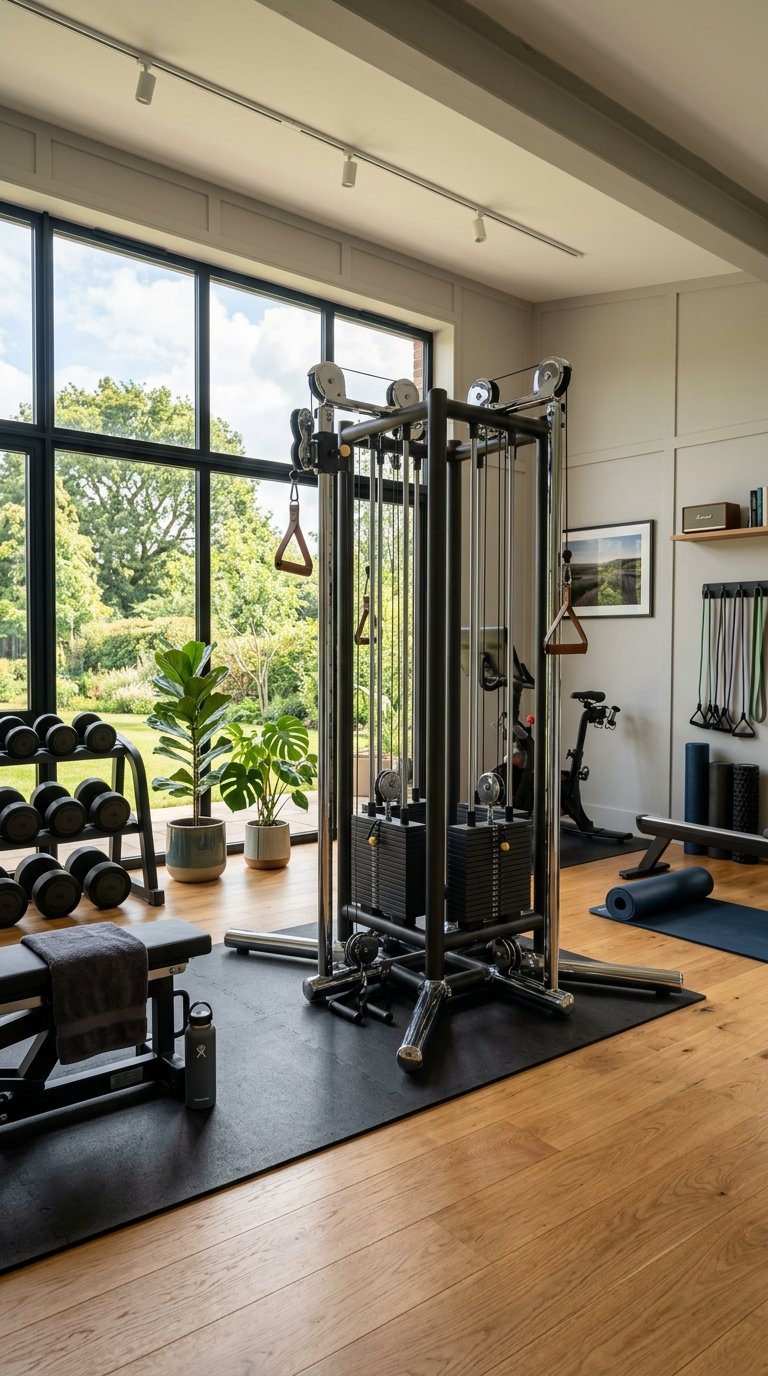
But most market reports lump cable machines into “strength equipment” without specifics. The global home gym segment grew to about $11.9 billion in 2024, but cable machine sales and top brands remain unclear. Source Source For buyers, this means you need to go past market hype and focus on matching your space, goals, and budget to the right cable system features. If you’re early in your research, check our guide on affordable home gym equipment setups for more big-picture planning.
How to Set Up the Best Cable Machine for Your Home Gym
Use this actionable checklist to make sure your cable machine investment pays off with safety, adaptability, and results. Here’s how to avoid common mistakes whether you’re a beginner or an experienced home lifter.
- Define Your Workout Goals
Are you targeting hypertrophy with heavy rows and presses, or do you need lighter, rehab-friendly pulley work? Choose a cable machine with a weight stack or plate-loadable capacity that matches your needs. Adjustable pulley columns and wide resistance ranges increase versatility. - Measure and Plan Your Space
Mark floor and wall area, then use blue painter’s tape to visualize the cable machine’s footprint plus room for exercise movement. For small rooms, prioritize compact, single-stack or wall-mountable models. If you want more tips for getting the most out of small spaces, see our small home gym setup guide. - Check Pulley System and Attachments
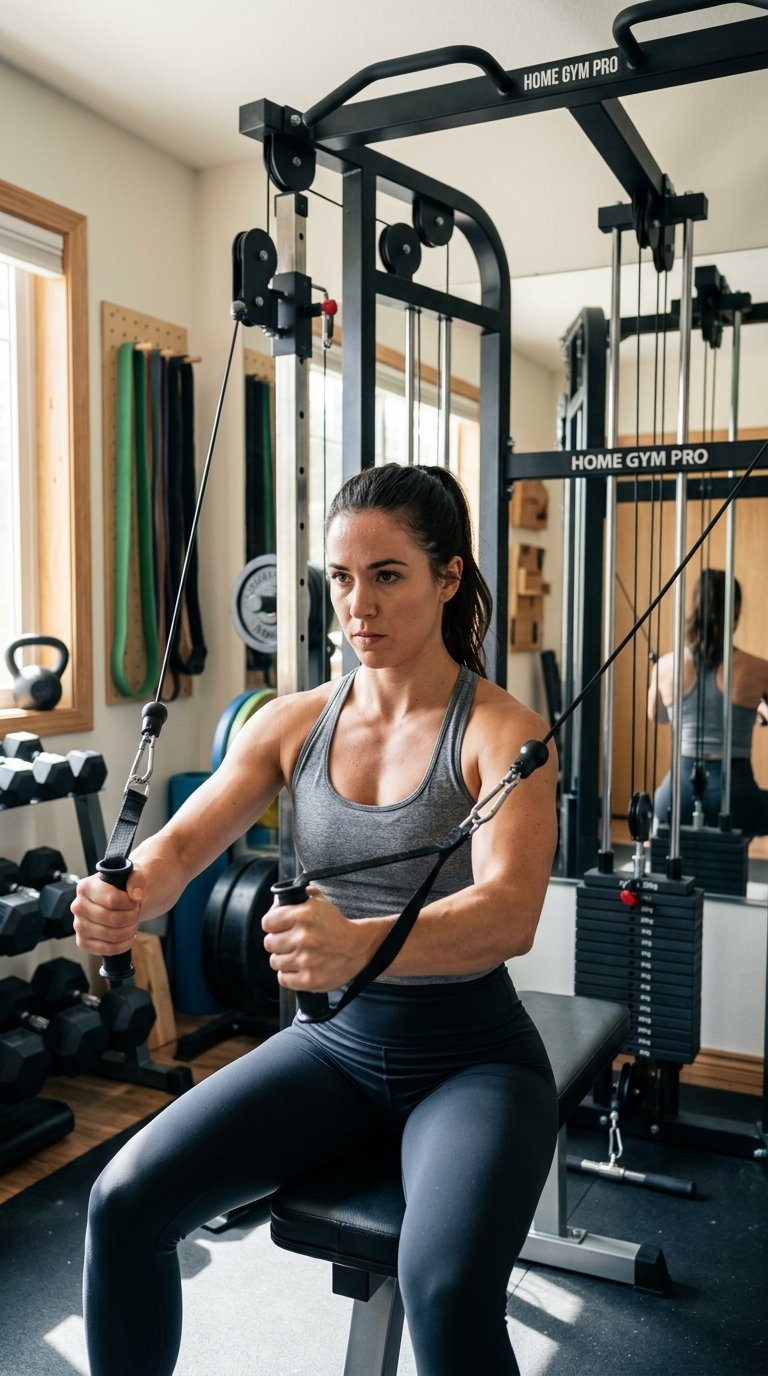
Good cable machines have smooth, adjustable-height pulleys, a robust cable/weight ratio (2:1 or 1:1), and a starter bundle of attachments (straight bar, tricep rope, single handles). Cheap home options often lack these, limiting long-term progress. - Understand Installation Requirements
Will you need help with assembly or heavy lifting tools? Look for pre-assembled or modular models if you’re not a DIY type. Clear product videos or manuals are a bonus—if the machine looks confusing in the manual, it’ll be harder in real life! - Review Warranty and Support Terms
Home gym equipment warranties vary. Premium brands offer 10+ years; budget models may have only 1 year or less. Make sure local parts service or support is available, especially for moving components like cables or pulleys. - Compare User Reviews and Brand Reputation
User ratings are often vague, but look for comments on noise, cable smoothness, and frame stability. Be skeptical of perfect 5-star reviews without detail. For more on reviewing gear critically, see our adjustable dumbbell comparison.
- Budget Wisely
Prices range from $200 for basic wall-mounted pulleys to $2,500+ for multi-stack, commercial-grade models. Beware of deals that look too good to be true—cable quality, frame strength, and after-sale support matter more than marketing claims. - Maintain and Inspect Regularly
Cables should be checked monthly for fraying, and moving parts lubricated according to the manual. Swapping out worn cables or handles early prevents injuries and extends your investment.
Want a cardio or core supplement to your cable setup? Explore trending routines like high-intensity interval walking or plank hover core exercises to round out your program.
Advanced Analysis & Common Pitfalls
Most online cable machine articles gloss over real-world frustrations buyers experience. Here are hard truths, product differences, and user pitfalls for the cable machine for home gym market:
| Feature | Premium Cable Machine | Average/Budget Cable Machine |
|---|---|---|
| Resistance Range | 180–220lbs per stack, 1:1 or 2:1 ratio | 80–120lbs, often 2:1 ratio only |
| Pulley Adjustability | 12+ height positions; smooth bearing glide | 4–6 positions, may stick/catch under load |
| Footprint/Size | Compact options available, some foldable | Large or irregular; wall mount options limited |
| Attachments Included | Multiple (handles, ropes, ankle cuffs, bars) | 1-2 basic handles or bars only |
| Warranty/Support | Lifetime or 10+ years, responsive support | 1–3 years, support often limited |
| Installation Complexity | Clear instructions, pro install optional | Confusing manuals, missing parts, DIY only |
Key Pitfalls to Watch:
- Installation headaches: Reviews rarely mention just how heavy or complex some machines are—if you’re not handy, a wall-mounted model or professional assembly is safer.
- Misleading resistance: Some budget cable models advertise high max weights, but poor pulley ratios, cable friction, or weak frames mean you’ll get less functional resistance than promised.
- Space creep: Fold-up or compact claims can be exaggerated. Always check width, depth, AND real usable area needed to train comfortably.
- Warranty confusion: Many companies claim “lifetime” coverage but exclude cables/pulleys, or require expensive shipping for replacement parts.
There’s also an information gap: Major reports cover broad home gym equipment, but cable-specific buyer data is still missing. To get a macro view, see these in-depth industry reports: IMARC Home Fitness Market Analysis and GMI Insights Home Gym Market.
Conclusion
Choosing a cable machine for home gym use isn’t about picking the fanciest model. It’s about aligning machine footprint, pulleys, attachment options, real support, and budget to your fitness goals—and being honest about your install skills. Review real user feedback carefully, prioritize long-term durability, and avoid too-good-to-be-true deals. Ready to take your training to the next level? Research, measure, and select the right cable machine for your space and commitment—your home gym gains start now.
FAQ
Are cable machines good for a small home gym?
Yes, many brands offer compact cable machines or wall-mounted pulley systems suitable for even small rooms. Always check full dimensions and allow clearance for movement.
Can a cable machine replace free weights at home?
Cable machines add versatility and allow for constant resistance, but some users also like the feel of free weights or barbells. Many combine both in their home gym setup for the best results.
How much space do I need for a home gym cable machine?
Plan for at least 7–8 feet of ceiling clearance and a 4×6 foot area, but more may be needed for larger functional trainers or crossover machines.
Are warranties on cable machines typically comprehensive?
Not always. Some companies offer lifetime frame coverage but only 1–2 years on cables and pulleys. Always read the fine print before buying.
What’s better: single stack or dual stack cable machines?
Dual stack systems let two people train at once and offer more versatility for exercises like cable crossovers, but single stack machines work well for solo, compact spaces.